What makes Estonia special? From startup confabs to acclaimed film festivals to folk music gatherings and medieval fairs, there is plenty to do here all year round. Find out more about what Estonia has on offer below.

If you're in Estonia or ever wanted to come here, you will quickly learn that this is a country where life is lived from one big event to another, with a calendar full of fun celebrations that sometimes are years in the making. People come together at these national happenings to network, meet up with old friends, listen to new music, enjoy fresh cuisine, and to embark on adventures.
For Estonian e-residents, such events might offer something to add to their schedules if they opt to visit Estonia. While e-residents can pick up their cards from over 50 locations worldwide, they can also get them at five Police and Border Guard service offices right here. So why not plan your card pickup in Estonia to coincide with one of these events?
In this article, you'll find a solid list of places to be and things to see as 2026 gets started.
Tallinn Music Week (TMW) is an annual event held in Tallinn, a UNESCO city of music. What better way to put the cold winter weather to bed and welcome spring than with a vibrant music festival in the creative capital? TMW features a multi-genre line-up from all over Europe and beyond, held in Tallinn's best venues in early April. From intimate gigs to grand stages, TMW transforms the city into a lively hub of creativity, attracting music lovers, industry professionals, and artists alike. Whether you're into indie, electronic, jazz, or experimental sounds, there's something for everyone.
Additionally, the festival includes a conference with discussions on music, technology, and future trends. In 2026, the lineup showcases artists from 38 different countries, and our own Estonian musicians such as SADU, Regina Mänd, Duo Ruut, Tuulikki Bartosik and Sander Mölder, and more. Check out the complete lineup for 2026.

On 24 February 1918, in the city of Pärnu, a committee created by the Estonian Provisional Assembly declared the independence of Estonia from the ruins of the Russian Empire, then engulfed by an internal civil war. What followed was two years of conflict that resulted in the full independence of the Republic of Estonia.
Each year, Estonians celebrate their national birthday in different ways, but they are sure to involve parades, sprat sandwiches, and tuning in to ERR, the national TV channel, to watch the Independence Day Gala and listen to the president's annual address. This year, in Tallinn, an Independence Day Parade will be held too. Starting from Freedom Square, more than a thousand servicemen and approximately 50units of military equipment from the Estonian Defence Forces and their NATO allies will take part. The parade will get going at noon. Preparations will begin an hour earlier.
After the parade, spectators will be able to get a closer look at the military equipment, which includes infantry fighting vehicles, armored medical vehicles, armored personnel carriers, air defense systems, missile complexes, self-propelled artillery and more.
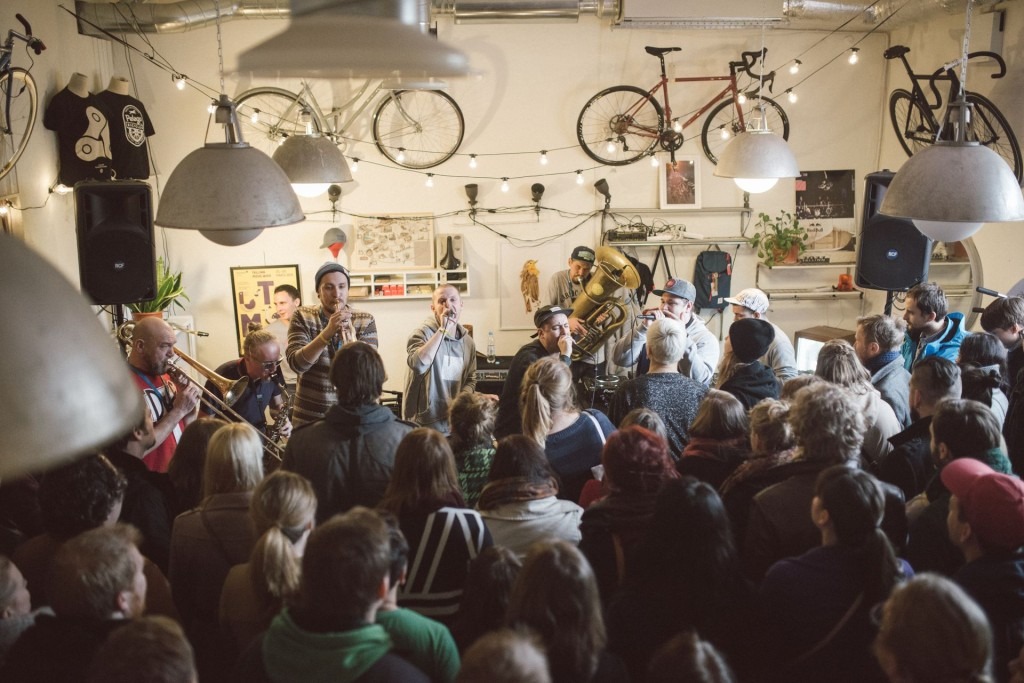
Jazzkaar is, without a doubt, a yearly highlight for all music lovers. This internationally famous festival, which will run from 25 April to 2 May this year, brings together the best of the best, including Estonian talent and world-class musicians .
Jazzkaar, known for its original programming and broad musical lineup, has been an important component of Estonia's music scene since 1990. The festival is mainly located in Telliskivi Creative City. However, Jazzkaar goes far beyond Tallinn, with concerts organised throughout Estonia in locations such as Otepää, Haapsalu, Tartu, and Viljandi, making jazz accessible to audiences throughout the country.
Whether you're a veteran jazz fan or just seeking to try something new, this festivalis a captivating celebration of rhythm, creativity, and global talent. This year's programme includes local artists like Mingi Rajandi, award winning US guitarist Bill Frissell and violinist Eyvind Kang, and UK soul and jazz-pop star Jordan Rakei. You can find out more about the festival on the Jazzkaar website.
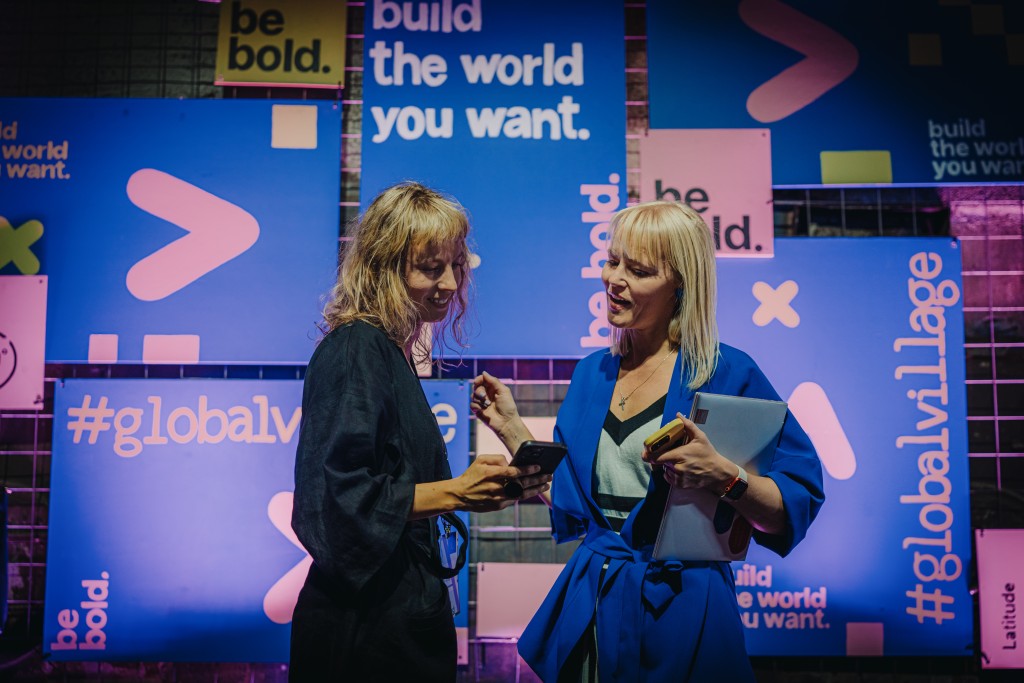
For a lot of people, the annual Latitude59 startup and tech conference is Estonia. While sTARTUp Day is a tasty appetizer, Latitude59, held within the fascinating interior of the Tallinn Creative Hub, a converted power station built in 1913, is the main course. There are a variety of reasons for why this particular conference has earned the reputation of being the best of its kind. One is its cozy, people-friendly approach, which allows entrepreneurs, investors, and innovators from across the globe to rub elbows and network in a way they never could at a big show. That makes it a draw for larger players as well as small startups just getting ready spread their wings, a fine mix overall.

But what can one expect at this conference? Latitude59 features inspiring keynotes, panel discussions, pitch competitions, and exclusive networking opportunities, all set in a dynamic, forward-thinking environment. Whether one is a founder, an investor, or tech enthusiast, Latitude59 is an ideal to connect, learn, and shape the future of tech.
It's also a gathering point for members of the Estonian e-Residency community, and e-residents the world over travel from as far away as South Korea, just to get some badly needed physical contact with their digital motherland and to meet like-minded, card-carrying e-residents. The fact that Latitude59 takes place at the lightest time of the year is an added bonus. There's a reason it's called Latitude59.
All across Northern Europe, Midsummer's Eve is a time for bonfires, flower crowns, and celebrations. Estonians are no different as they gather to mark Saint John's Day (June 24), known in Estonian as Jaanipäev. This is one of the most important holidays in the country and probably the oldest, as it mixes elements of pre-Christian beliefs with a holy calendar day.
It coincides with the longest days of the year. From about June 15 through 25, the sun will rise at about 4 am and set at nearly 10.45 pm, meaning the days are almost 19 hours in length and that light is always lingering on the horizon. In Estonia, the festivities begin the night before Saint John's Day, as people gather around bonfires to grill, sing, and tell stories.
Some rituals associated with Saint John's Day include lighting a bonfire and then leaping over it, to obtain good luck. To not light a fire is to invite one's house to burn. And fires were also seen as frightening away mischievous spirits and ensuring a bountiful harvest. Estonians have been celebrating this holiday forever it seems. In 1578, Balthasar Russow opined in the Livonian Chronicle about how Estonians at this time of year placed more importance on lighting bonfires and dancing than going to church.
June 23 is another holiday for Estonians, called Victory Day, or Võidupüha , which commemorates the defeat of German troops by Estonians on 23 June 1919. All together, between Midsummer's, Saint John's Day, and Victory Day, the Estonians have a lot to celebrate at this time of year.
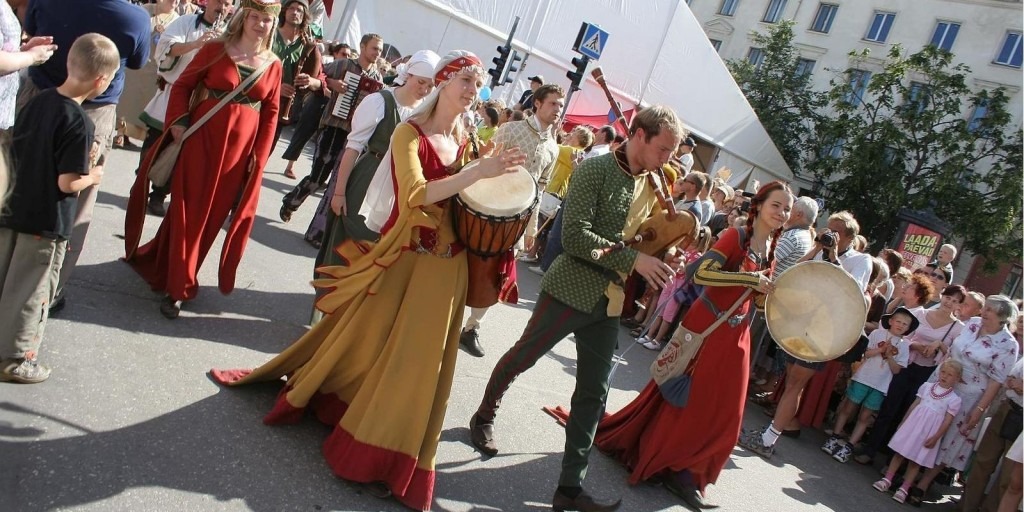
But not everything in Estonia is so wired. The Hanseatic Days (Hansapäevad in Estonian) are must-see events in Estonia, especially if you're interested in ancient celebrations and wish to travel back in time. Historic medieval markets across Estonia provide the ideal setting for exploring the country and experiencing its rich Hanseatic history.
The Hanseatic League influenced politics, trade, and culture in the North and Baltic Seas for over 400 years. This strong merchant network once included the Estonian cities of Tallinn, Tartu, Pärnu, and Viljandi. The provincial jewel of Viljandi get this year's Hanseatic Days started off at the end of June, and they culminate with fairs in both Tartu and Tallinn, the latter of which is the perfect place to wind up a Hanseatic adventure, with its excellently-preserved medieval cityscape.
Hundreds of merchants, craftspeople, and entertainers fill the streets during these markets, offering unique items from Estonia, Latvia, and Lithuania, and farther afield, as well as delicious local cuisine, and live demonstrations of medieval craftsmanship. The Hanseatic Days are fantastic for souvenir shopping too. No child leaves one of these fairs without a wooden axe, sword, or regal-looking hobby horse.

Mark your calendars for the following 2026 Hanseatic Fairs:
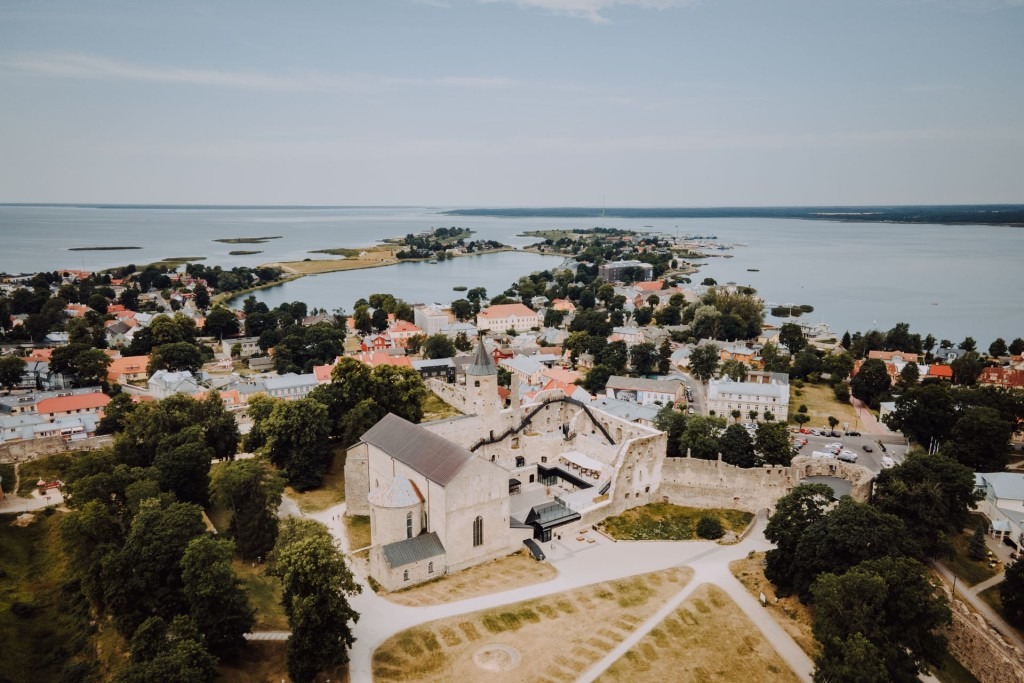
If you’re looking for a short, romantic getaway, the Haapsalu White Night Festival (Haapsalu Valgete Ööde Festival) is worth visiting! Personally, I've always loved going to Haapsalu, a small coastal city full of character. It also happens to be one of the best cities in which to spend the long white summer nights.
This festival combines days full of music, food and different activities. Concerts take place in different churches, within the incredible castle ruins, old manors, and more. To make the most of Estonia's beautiful white nights, one of the most memorable events is the night cinema, where one can enjoy the warm summer breeze, stretch out under a sky full of stars and take in a great film. Sounds romantic, right?
And if you find yourself feeling like you're lost in an Astrid Lindgren book, there's a reason for that. Ilon Wikland, who illustrated most of Lindgren's books, was raised in Haapsalu. Be sure to stop by Ilon's Wonderland, an interactive museum for kids and adults, in town.

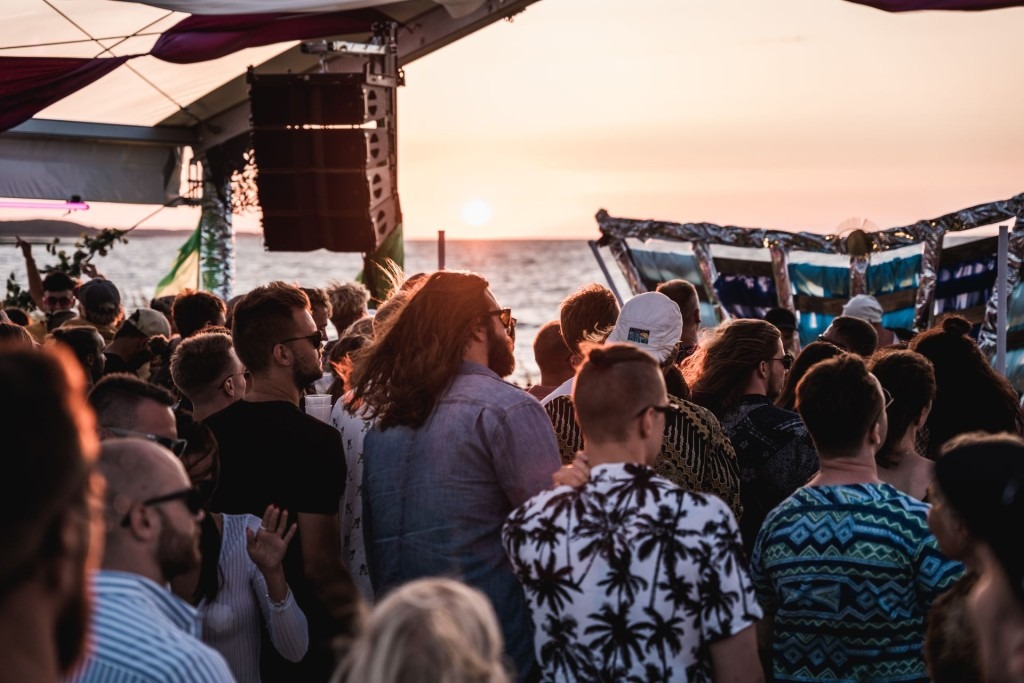
I Land Sound, which will take place from 16 to 19 July this year, is one of the most unforgettable festival experiences in Estonia. The festival is held on the breathtaking Illiku Islet, right at the gateway to the island of Saaremaa. This sustainability-focused festival blends stunning nature, electronic beats, immersive art, and interesting attendees, offering the very best of the Estonian summer.
The idea of I Land Sound is to provide one with an intimate connection between music, nature, and soul. Imagine starting your day with early morning yoga set to electronic beats, spending the afternoon exploring art installations, and ending the night dancing under a sky full of stars, with the sea always within view.
While the programme hasn't been posted yet, Estonian acts like Oopus will perform, along with a lengthy roster of international talent, including Alexis Cabrera (Argentina), Raz (Romania), and Maria Paskevic (Lithuania).

Estonia is known as the nation that sings, and it certainly sings, even Italian operas. If you're a fan of classical music and grand performances, the Saaremaa Opera Festival is for you. This year's Saaremaa Opera Festival will take place from 18 to 25 July and it is undoubtedly the most popular of its kindin the Baltics, set against a backdrop of the stunning historic castle ruins in Kuressaare on Saaremaa Island.
Every summer, the ruins of Kuressaare Castle are transformed into a spellbinding open-air opera house with 2,000 seats, providing an enchanting atmosphere for performers and attendees. Over the years, the festival has attracted opera lovers from around the globe and hosted some of the world’s most renowned theatre companies. This year's main artist is the Teatro Goldoni di Livorno, performing operas by Puccini and Mascagni. Even if you're merely a casual opera listener, this festival is an unforgettable experience – that perfect blend of stunning scenery, top-tier performances, and the charm of Saaremaa.
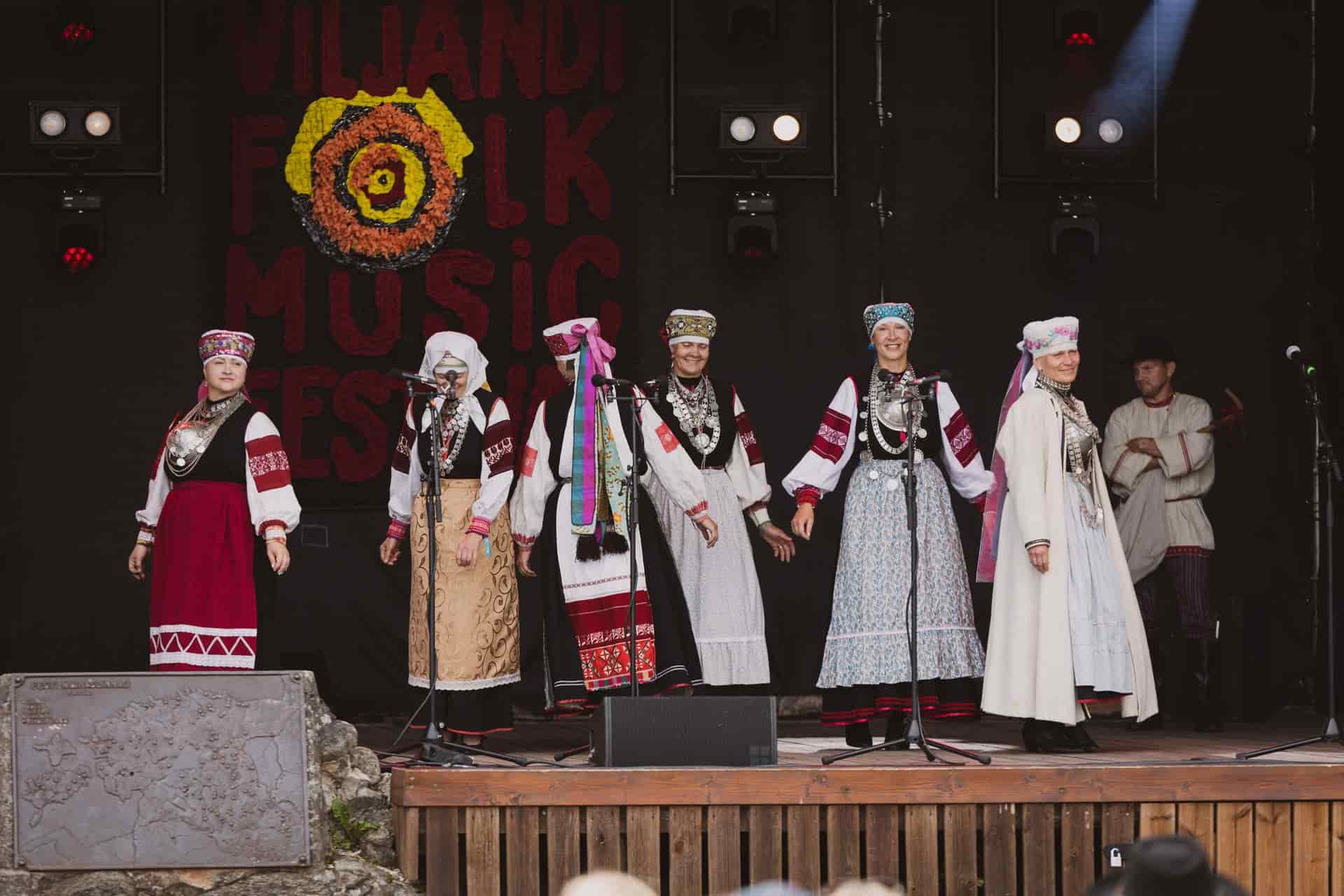
The Estonian summer peaks with the Viljandi Folk Music Festival at the end of July. While Woodstock in 1969 promised three days of peace, love, and music, Viljandi Folk does it better by offering up one day more. Each year's festival has its own theme, and this year's will be To Each Their Own Instrument. Three artists have already been announced: Amy Laurenson from the Shetland Islands, Hraybery from Poland and Ukraine, and Estonia's own Duo Ruut.
But Viljandi Folk isn't just about big acts on big stages, it's about its own carnival atmosphere. In addition to its satisfying food street, Viljandi Folk offers singing sessions for men and women, handicrafts lessons, petting zoos, wooden mazes, and probably some of the strangest and most wonderful people in the country, if not the world.
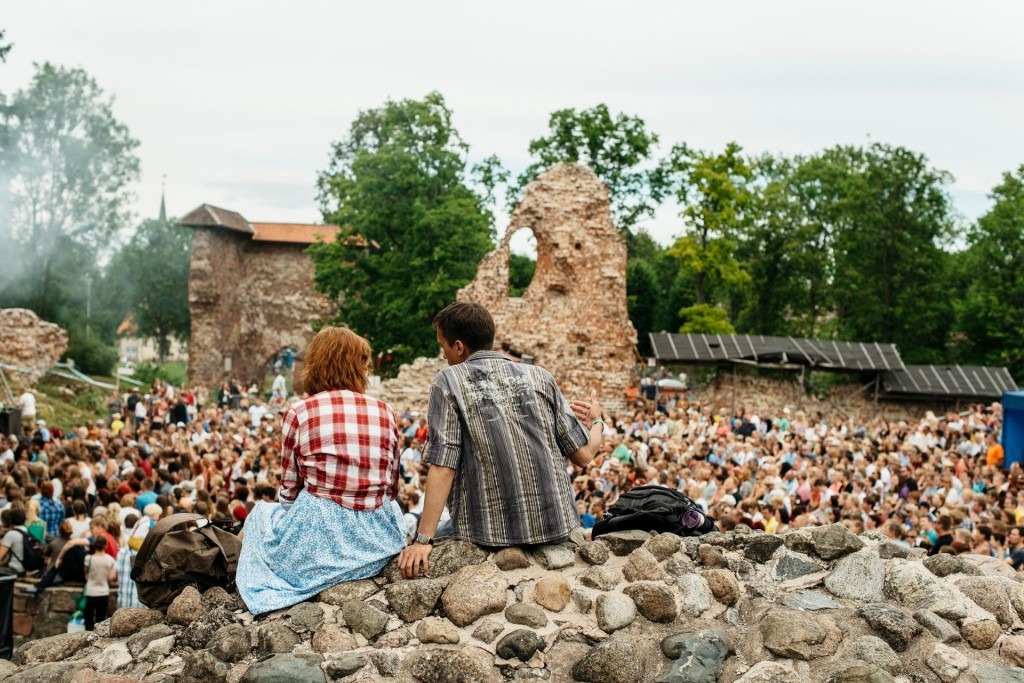
The festival has been going strong since 1993, and is one of the most beloved and longest-running music festivals in Estonia. It's held in Viljandi's castle ruins overlooking its picturesque lake, creating a mysterious atmosphere where ancient traditions meet modern interpretations.

The music isn't just relegated to the festival grounds. All of Viljandi comes alive at Folk, and the streets and parks are filled with buskers. Jam sessions start at first light and last until dawn. But consider yourself forewarned: the festival can be a little overwhelming. After all of that line dancing, it could take a week or more to recover.
Every year on the last weekend of August, the Kallaste Fish & Onion Fair transforms the lakeside town of Kallaste into a bustling late-summer festival. This renowned annual tradition draws tourists from all around Estonia and beyond, providing a unique glimpse into the culture that rings Lake Peipsi, or Peipus, as it is called in English.
While a wide variety of commodities are available during the fair, the true star of the show is the renowned Peipus onion, cultivated in the fields near Lake Peipus. In addition to the marketplace, visitors can enjoy a diverse cultural program that features handicraft workshops, traditional cookery, boat trips on the lake, children's entertainment, and more. As the day draws to a close, the celebrations carry on with an energetic nighttime dance and a spectacular fireworks display, which is the perfect way to send off the summer.
For three decades, the Tallinn Black Nights Festival (Pimedate Ööde Filmifestival in Estonian, abbreviated as PÖFF), has helped Estonians get through the darkest days of the year by offering them the chance to snuggle up with a bucket of popcorn and take in the very best of domestic and international cinema.
Since 2014, PÖFF has been one of the 15 A-list film festivals accredited by the International Federation of Film Producers Associations (FIAPF), along with the Cannes, Karlovy Vary, San Sebastian, Locarno, Venice, Berlin, Cairo, Mar de Plata, Goa, Tokyo and other film festivals. The aim of the festival is to present a selection of new world cinema to a local and international audience, offering fresh film production with high artistic value.
And audiences have responded enthusiastically. In 2024, more than 90,000 people attended a film showing during the festival. In total, 240 full-length films were shown as well as 323 short films, from 81 countries. PÖFF also saw the premier of 131 films. Alongside the films, there are also side events for filmmakers that include workshops, master classes, and an awards ceremony.
Every year the Estonian city of Tartu hosts sTARTUp Day, where thousands of like-minded professionals gather to network, explore new opportunities, swap stories, share ideas and, potentially, reshape the future. sTARTUp Day – which lasts for three days, actually – welcomes thousands eager to discuss DeepTech, fundraising, IP management, branding, storytelling, and much more.
There's also a cool exhibition hall with robots rolling by and a whole bevy of side events, including a movie night, city tour, and a little song festival too, of course. Most people who happen upon this annual event can't believe their eyes and ears and return to connect with global innovators, uncover new business insights. A lot of them find their new business partners too. Many companies have emerged from a sTARTUp Day workshop. It's an event you don't want to pass up.
This article was updated and adapted by Justin Petrone from an article by Grete Rahnel originally published on March 31, 2025.