
how to avoid building your company alone
Most e-residents' journeys begin similarly, with an application for a digital ID and the registration of a company. This is an important first milestone. But incorporation is only the starting point.
This article is by Silva Hunt, a trusted member of the e-Residency marketplace. They help international founders with company setup, compliance, and ongoing company management.
Many e-residents run their business remotely. The founder lives in one country, serves clients in another, and manages an Estonian company online. That flexibility is a strength, but it can also create distance.
You can start a company online on your own, but building a future large business depends on trust and strong relationships. Without a community, founders may spend time solving problems others have already faced and resolved.
The good news is that you don’t have to do this alone. Here are four practical ways to find your community and why they help.
Be open to others’ ideas, experiences and lessons
After forming a company, the founder faces the harder part – decisions about pricing, clients, growth, hiring, partnerships, cash flow, and direction.
Without support and extra knowledge, growth can slow down and become reactive. Then, founders might delay decisions, repeat avoidable mistakes, and feel overwhelmed by carrying all the pressure.
How to avoid this and grow faster and easier? Find people who challenge your ideas, share experiences, and offer new perspectives.
Founders who stay connected with others get three main benefits:
- Practical lessons from others’ experiences
- Feedback before a problem becomes expensive
- Reassurance that setbacks, changes, and uncertainty are a normal part of entrepreneurship
When you have a community of people who are serious about building their company, it’ll be easier to make better decisions and run your business.
Finding better ways to approach issues through partnerships
You can solve practical problems faster with a supporting community rather than alone.
For example, if you’re an e-resident founder of a growing business who is struggling with payment setup, you can learn from another e-resident, which service provider has worked best for their SaaS business.
Or if you want to hire remotely, you could get practical advice on contracts, payroll, taxes and cross-border compliance from people who have already done it. This will help you avoid costly mistakes, and it’s very important for a starting business to save as much money as you can.
If your community is international, you’ll have access to an infinite amount of knowledge.
Founders from other countries, but still, like you, can make it easier to understand which payment model fits best, how to organise cross-border payroll, and which tax points to check before hiring in another country.
For many founders, these practical insights save time and prevent problems that only appear later, when the team is already in place.
Join active communities and attend events
You can find support and your community through online groups, local meetups, live Q&A sessions, service providers, startup events, founder dinners, workshops, and small peer groups, such as accelerator programmes.
The e-Residency community can be your starting point as an e-resident, and it is not small. As of April 2026, there are 137,000 e-residents from 180 countries, managing 40,000 companies. The joint knowledge base is huge.
E-Residency connects founders who build across borders, manage businesses remotely, and grow internationally.
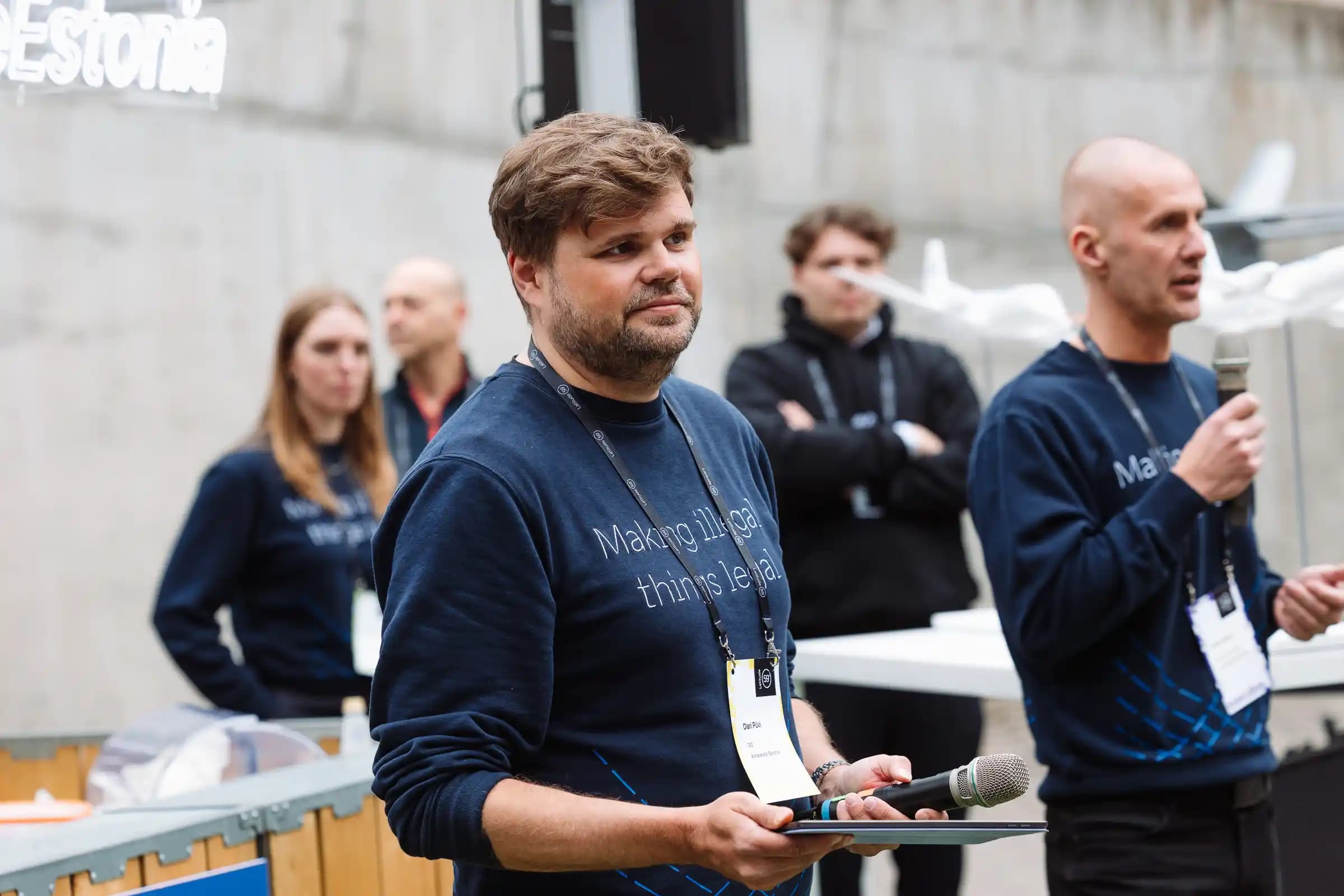
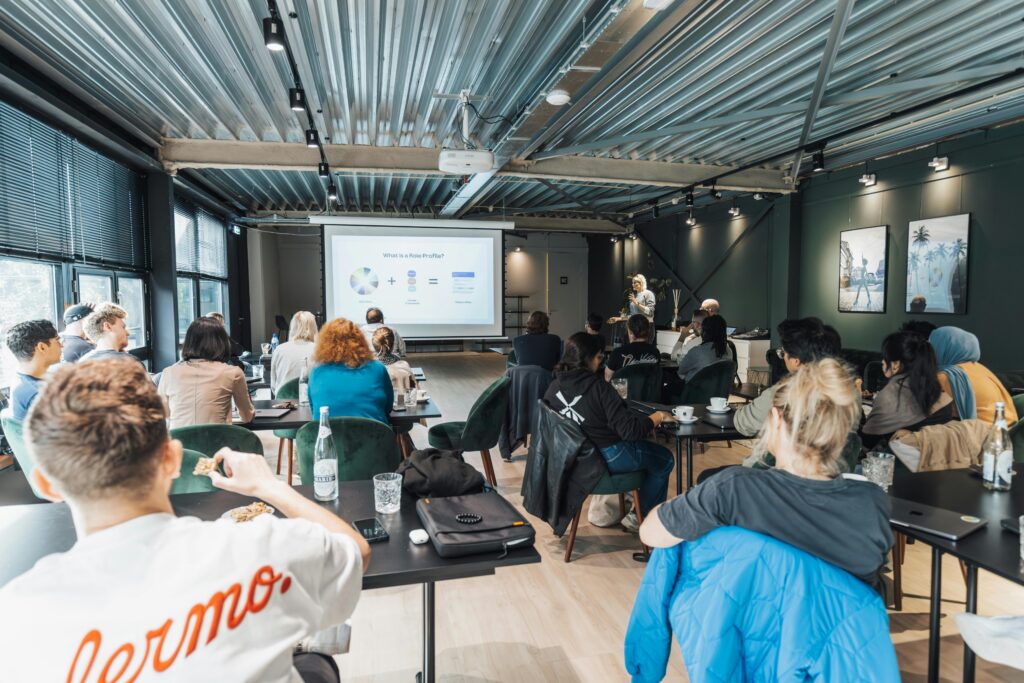
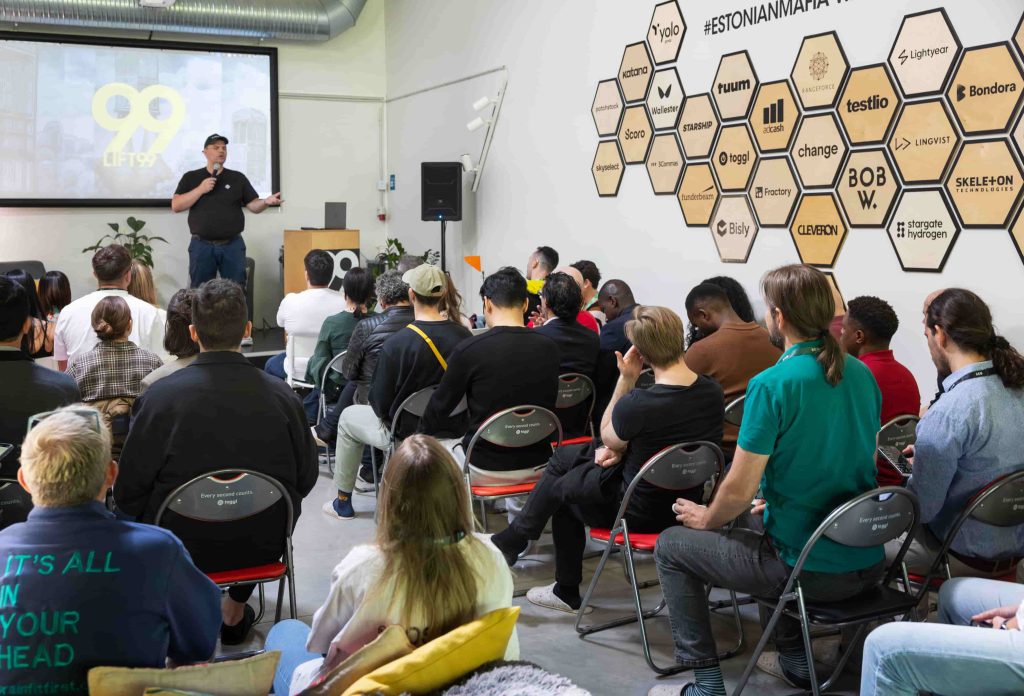
For example, e-Residency hosts many events worldwide throughout the year, including community events and study trips, to bring together like-minded entrepreneurs to discuss relevant topics. Most events are free to attend and open to e-residents.
In addition to online events, e-residents have the e-Residency subreddit on Reddit and a Facebook group where they can discuss achievements, problems, ask for advice or get tips from others.
Communities also help find reliable service providers, future collaborators, referral partners, and even your first client or a co-founder. For example, you can find over 100 vetted service providers in the e-Residency Marketplace.
Build local connections in Estonia
People who already run businesses in Estonia can be very helpful for e-resident founders.
They can share information about how things work, recent changes, which service providers to use, and what problems other founders are facing in practice. This advice is often more valuable than general online information because it comes from people who work in the business world.
Community also has strategic value. When an e-resident works with Estonian companies, advisers, or partners, the business has more real ties to Estonia. That can make it easier to bring your business presence to Estonia.
Having a business presence in Estonia has many benefits.
For example, a business presence in Estonia is advantageous and sometimes required to open a business account with an Estonian bank. But don’t fret, you still have business banking options without a presence. Additionally, setting up an office or hiring local employees can help you take full advantage of the Estonian tax system.
You're building remotely, not building alone
E-Residency is fast, efficient, and convenient. It also gives you the chance to build your business with the right people by your side.
A founder with a community gains encouragement, perspective, practical contacts, emotional resilience, and a stronger sense of direction. They can make decisions faster and with more confidence because they are not working in isolation.

At Silva Hunt, a full-service partner for e-residents building and managing Estonian companies, we believe support shouldn’t stop once your company is formed.
That’s why this year, we bring entrepreneurs together in Estonia through our community and Mastermind groups, creating space for honest conversations, practical learning, and strong business relationships.
When founders connect with others who share their drive to build companies in Estonia, they get real updates, valuable contacts, and chances to collaborate in the future. For many, this is helpful not just for support, but also for growth.
More from e-Residency
- Sign up for our newsletter
- Watch fresh video content - subscribe to our Youtube channel
- Meet our team and e-residents - register for our next Live Q&A