

why private health insurance is essential for location-independent entrepreneurs
What should location-independent entrepreneurs know about health insurance?
This guest post about health insurance for location-independent entrepreneurs and expats was contributed by Genki, a company founded by location-independent entrepreneurs that provides health insurance for nomads and expats. Genki is a trusted member of the e-Residency Marketplace.
Living and working from different parts of the world is more common, but getting it all right is still a life hack. More people combine entrepreneurship with an international private life setup between two or more countries. But establishing a business abroad is just one side of the coin.
While company formation and business operations have adapted to mobility, healthcare systems and insurance largely have not. If business can be borderless, it raises a simple but critical question: How does your health coverage keep up when you establish a life abroad or live in more than one country?
Learn the key differences among local, travel, and international health insurance and discover a few hidden traps for expats.
Glossary
A few frequently used terms are used in this article. Let’s make sure we are on the same page.
Expat - A person who lives long-term in a country different from their citizenship, usually for work or lifestyle reasons. Doesn’t necessarily mean being a resident under a visa or permit; simply someone who moved abroad and is staying primarily in one country. Expats can be location-independent entrepreneurs.
Location-independent entrepreneur - Someone who runs a business without being tied to one fixed country. They might spend part of the year in different regions, return home irregularly, or live abroad indefinitely. Location-independent entrepreneurs can be, for example, travellers (digital nomads) or expats.
Travel health insurance - Short-term insurance that primarily covers emergencies and medically necessary expenses during temporary trips. It is not intended to replace long-term healthcare but can be viewed as an add-on to comprehensive local health insurance or to a country’s healthcare system.
International private health insurance - Long-term medical cover for people who live, work, or move across one or multiple countries and need ongoing access to healthcare outside a single national system.
How are local, travel, and international health insurance different?
Not all health insurance is created for the same purpose. To determine which option is best, consider not only price and benefits but also the underlying assumptions each type of insurance makes about your lifestyle.
Local health insurance
Local health insurance is designed for residents of one specific country. It assumes that:
- You live there most of the year
- You receive medical care there
- You return to that country for follow-ups and treatment
- Your employment or tax status links you to the healthcare system
When relocating, even temporarily, many local health insurance policies still expect the person to return to that country for care. They may cover emergencies abroad, but not scheduled treatment, check-ups, or ongoing medication.
Some insurance plans require the insured to be physically present in that country for a specified number of days each year. Others exclude care if you are living abroad without informing the insurer.
For expats living long-term in a new country, local insurance may make sense if you intend to stay there, receive care locally, and remain integrated into the local healthcare system. The challenge arises when you relocate or split your year across multiple regions.

International private health insurance
International health insurance is structured differently. It is created for people who:
- Live in one or more countries outside of the country of citizenship
- Can choose where they want to receive medical treatment
- Move between countries
- Do not rely on a national healthcare system
Coverage typically follows you across continents. It allows planned treatment, preventive care, not only emergencies, and does not require you to return to a “home country” for care.
This makes it suitable for expats, dual- or multiple-location lifestyles, and location-independent entrepreneurs who might spend significant time in different countries throughout the year.
Travel health insurance
Travel health insurance is often misunderstood. It is intended for short-term trips, mainly to cover emergencies such as accidents, hospitalisation, or urgent medical interventions.
It is made for:
- Short-term (one year or less) travellers
- People with access to a national health care system in their home country
- Emergencies and medically necessary treatments
- Accidents
Most travel policies include a per-trip time limit. Some stop coverage the moment your travel is no longer considered temporary, and the contract terminates upon your return to your home country. A common misunderstanding is that travel insurance can cover someone living abroad for years rather than weeks.
Common traps for location-independent entrepreneurs
With flexible mobility comes a different set of responsibilities. Here are common traps people often discover only when they try to use their insurance abroad.
- Thinking travel insurance is enough, but it actually covers temporary travel, not long-term living, treatment plans, or chronic care.
- Believing that tax residency equals healthcare residency. Actually, opening a company or paying tax does not automatically give access to national healthcare.
- Not noticing “return home for treatment” rules. Some local insurers will only reimburse costs if treatment happens in the country of cover.
- Switching continents without informing insurance providers. For example, moving from Europe to Asia, or vice versa, may affect coverage regions.
- Confusing private hospital access with insurance acceptance. Being able to pay out of pocket is not the same as being covered.
- Assuming pre-existing conditions are handled the same everywhere, whereas most policies treat previous medical conditions differently, especially after relocation.
These hidden traps reflect that healthcare systems were built for people who stay put.
Why private health insurance matters for location-independent entrepreneurs
Running a business while living internationally offers freedom, but also requires resilience. There is no employer arranging health benefits, no HR department to contact, and no single national system that follows you as you move.
Three practical considerations stand out:
A. Continuity matters when life is not tied to one country
Follow-up care is just as important as treatment. A procedure in Europe may require check-ups weeks later, by which time you may already be in another region. Without appropriate coverage, that continuity becomes complicated.
B. Healthcare systems are not interconnected
Medical records, specialist referrals, and insurance billing rarely flow between countries. What counts as standard care in one region might be private or unavailable in another. With private health insurance, you manage the paperwork and connect the dots.
C. Predictability makes planning easier
For location-independent entrepreneurs balancing visas, clients, operations, and family life across borders, predictable healthcare costs reduce uncertainty. Choosing insurance designed for long-term life abroad is often less about risk and more about planning.
Checklist - Do you need international health insurance?
Consider international private health insurance if at least three apply:
- You live part of the year in different countries
- You are moving abroad and have no access to the national health care system, or want to top up with private health insurance
- You are self-employed or run your own business
- You do not rely on one national healthcare system
- You want to choose where you receive medical care
- You travel or live abroad for long periods without calling it a trip
- You value predictable access to care while abroad

International health insurance with Genki
International health insurance plans, such as Genki Native, are designed for people who live and work outside their home country either for most of the year or by leaving it entirely.
Instead of tying coverage to a single country, it allows expats and location-independent entrepreneurs to receive long-term, or even lifelong, comprehensive worldwide health coverage for themselves and their families. They get to choose any hospital or doctor and manage their health through preventive check-ups and tests.
Frequently asked questions about health insurance
Do I need international health insurance if I spend time in multiple countries each year?
It depends on many factors, including whether you have access to a national health care system in your home country, whether you have other health insurance, whether you need it for visa requirements, and other individual factors.
Is travel insurance enough if I live and work abroad long-term?
Probably not. Travel insurance is meant for short trips. If you live abroad for extended periods, travel cover won’t support long-term treatment or ongoing care.
What are my options if something happens and I have no international health insurance?
If you live abroad and an illness requires longer treatment and you lack international health insurance, you will most likely need to return to your country of citizenship and access the healthcare system (if the country offers one).
This might affect your international life in the long term, as your medical issue becomes a pre-existing condition that will most likely not be covered by future health insurance plans or will be very expensive.
If my company is registered in Estonia, does that provide me with healthcare coverage?
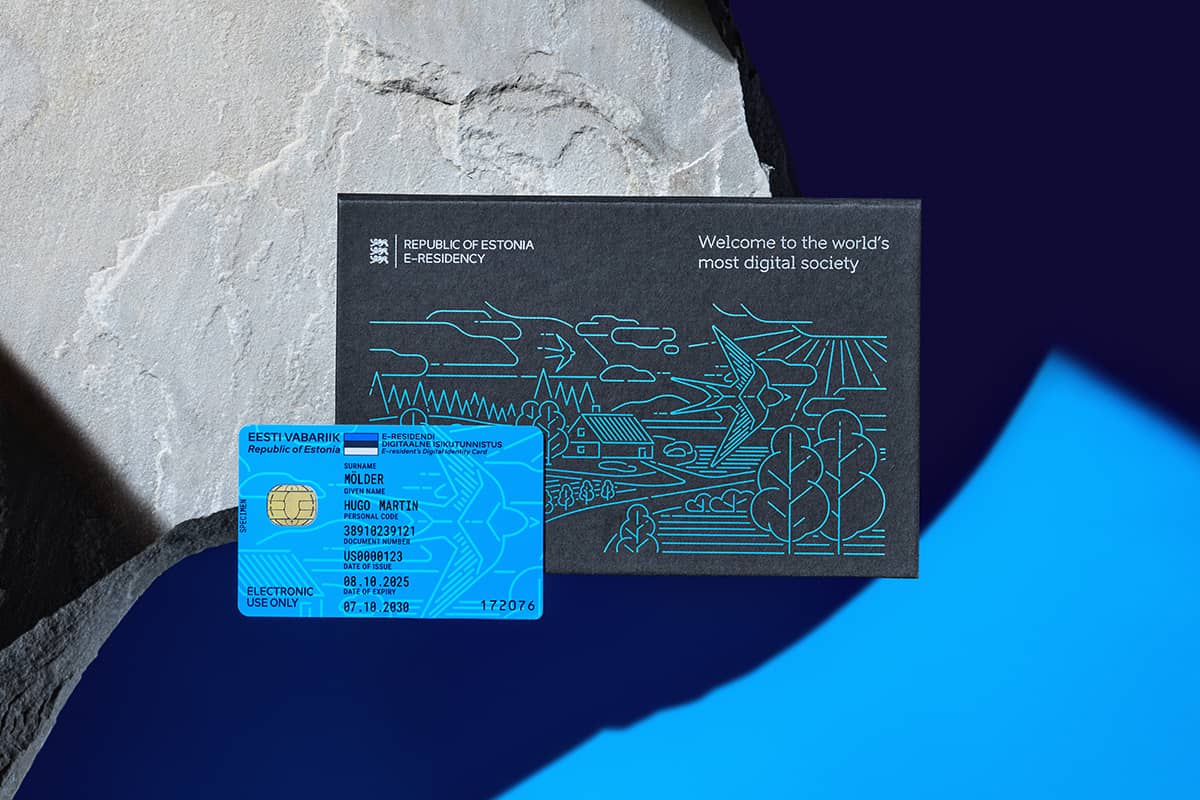
E-Residency allows you to start, run, and grow your company, but it does not include health coverage. Healthcare access is usually based on residency, not company registration.
More from e-Residency
- Sign up for our newsletter
- Watch fresh video content - subscribe to our Youtube channel
- Meet our team and e-residents - register for our next Live Q&A