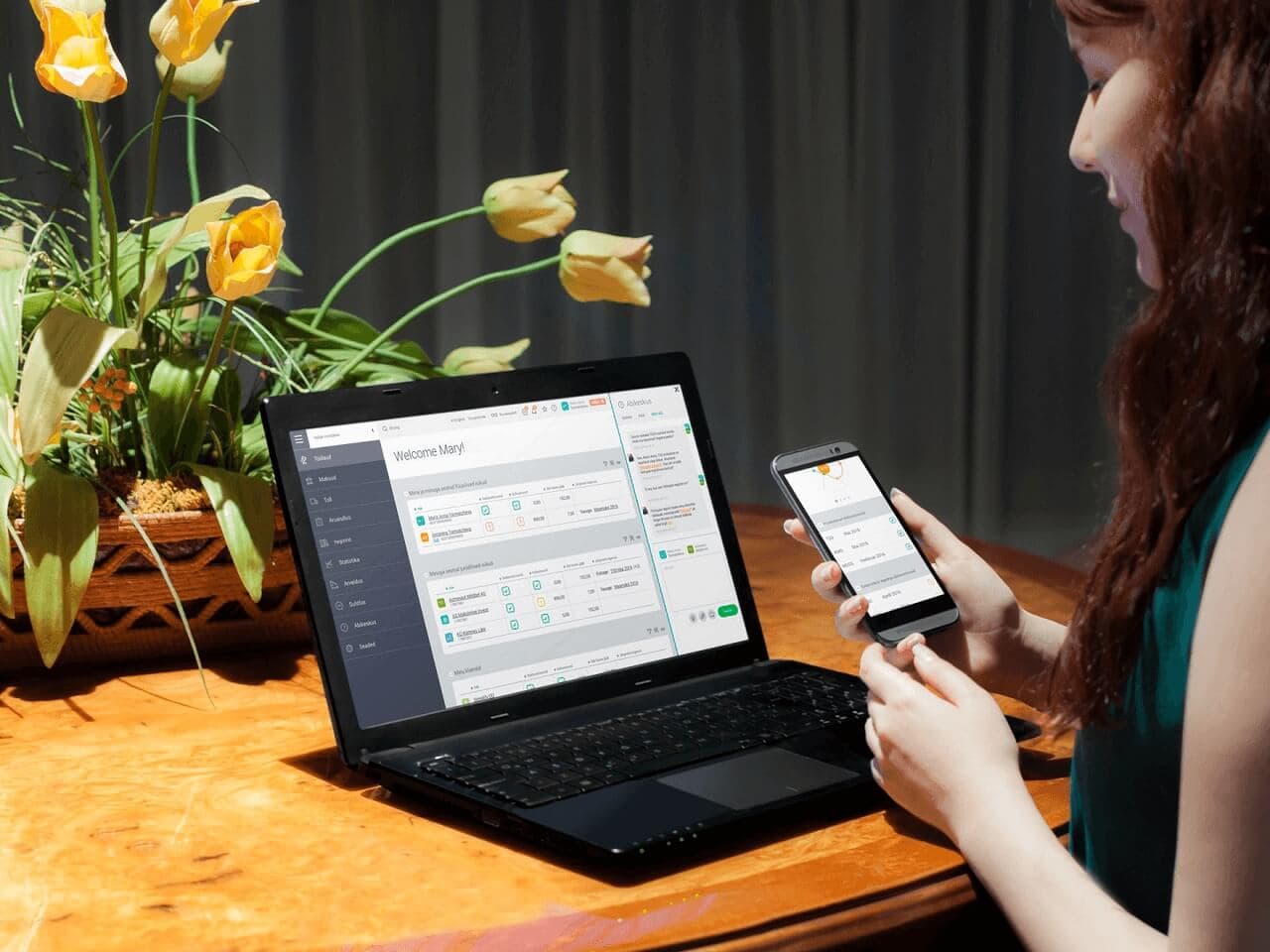
the accounting guide for every solopreneur
Why is it important to have a basic knowledge of accounting as a solopreneur?
Accounting 101 for solopreneurs: learning the basics
1. Keep your personal and solo-business bank accounts separate
2. Create a system to track all of your income and expenses
3. Go digital (i.e. paperless)
Going paperless also saves you having to physically store lots of records that can take up valuable office space.
4. Make a Budget
5. Plan your cash flow (and keep money aside for taxes)
6. Use accounting software
7. Plan for compliance
8. Keep track of the professionals
It’s also vital to keep tight controls on permissions and bank accounts, and to maintain a good overview of your cash flow.
Final thoughts on accounting for solopreneurs
More from e-Residency
- Sign up for our newsletter
- Watch fresh video content - subscribe to our Youtube channel
- Meet our team and e-residents - register for our next Live Q&A