




9 things you should know about running an estonian company
E-Residency makes starting a company easy, but how easy is it to run the company? Easy enough, if you know the basics.

This article was written by Aleksei Rozenberg, the founder of Rozenberg Partners. Rozenberg Partners is a verified member of the e-Residency Marketplace.
Estonia is one of the easiest countries in the world to run a location-independent business.
But once your company is established, there are a handful of legal and practical requirements that many founders don't expect. With the right preparation and partners, most common issues are easy to avoid.
Here are nine things you should know before starting an Estonian company.
1. Choose the right accountant
Working with an accountant can feel like a simple administrative task. You send invoices, and they file the reports. But if you have the wrong accountant, many problems can stay hidden until they become too expensive to fix.
One founder found it out the hard way. They had the same accountant for two years. When switching to another accounting service provider, the new accountant found that the previous one had never requested bank statements and had used only the invoices the client happened to send. A significant number of invoices, including digital ones stored in different service provider portals, were never submitted.
The founder and the new accountant had to reconstruct two years of accounting records, resubmit tax declarations, and pay interest and penalties that could have been avoided with accurate bookkeeping.
Tip: Send your accountant every invoice and bank statement, every month. And if they do not ask, find someone who does.
2. Build ties to Estonia from the beginning
Since August 2025, the Estonian Tax and Customs Board (EMTA) has required proof of an economic connection to Estonia before granting a VAT number. This rule applies to new applicants and founders who already have an Estonian company.
Proof of an economic connection can be:
- local clients
- local suppliers
- a physical office
- management decisions made in Estonia
Economic activity in Estonia can also become relevant when renewing your e-Residency card. Companies without business activity in Estonia may be subject to additional checks. Examples of business activity include:
- taxes paid
- local transactions
- employees
- substance of any kind
For example, a Slovenian founder set up an Estonian company to sell goods online to European customers. Although the company was registered in Estonia, it had no local suppliers, clients, employees or other economic ties.
When trying to renew their e-Residency card, the Police and Border Guard Board denied the application. The company was a shell with no economic substance. Without a valid e-Residency card, the founder can no longer use Estonia's e-services or sign documents digitally.
Tip: Plan for substance, like paying local social and income taxes and having local clients from day one, not when renewal comes around.
Even if the founder doesn’t have a valid e-Residency card, the company stays on the registry. The founder still needs to update their address provider, make changes in the e-Business Register, and add a new accountant on the Estonian Tax and Customs Board portal. But without a digital ID to sign with, the founder must travel to Estonia.
3. Understand how Estonia taxes companies
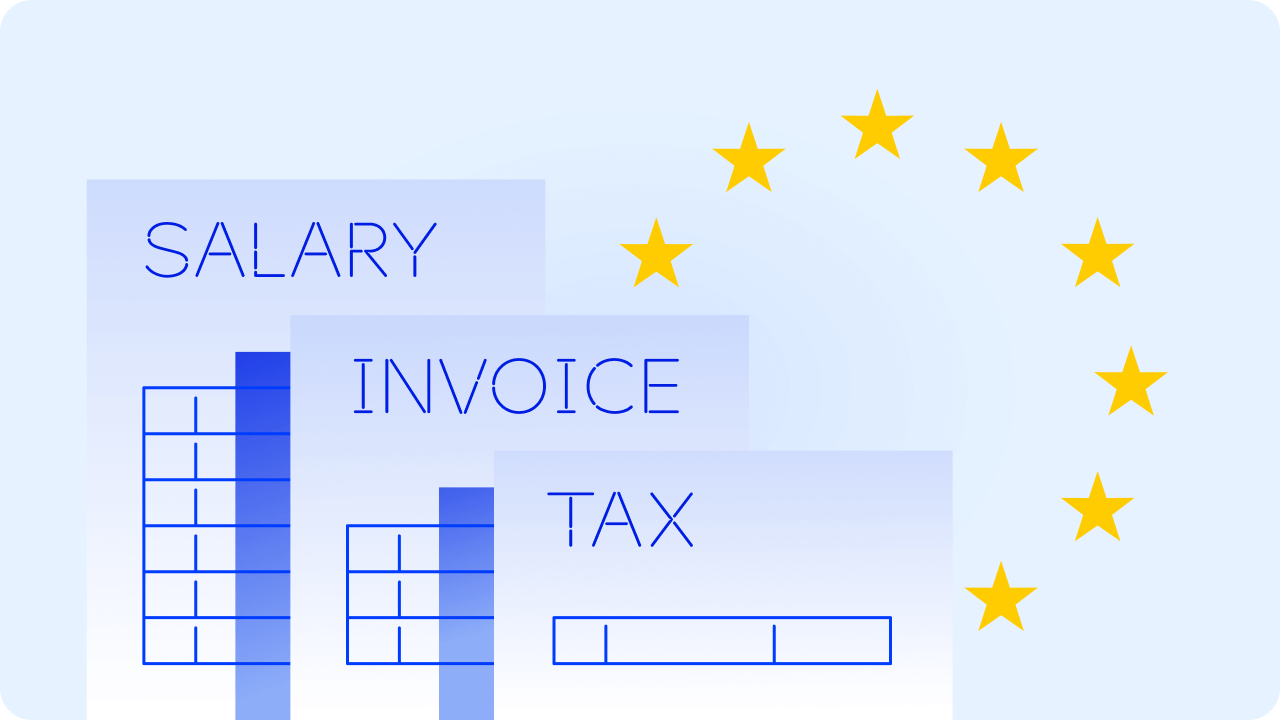
The most straightforward way to build economic ties is to pay taxes in Estonia, for example, pay yourself a monthly board member fee.
Paying taxes creates a transaction history with the Tax and Customs Board. It demonstrates your company's active participation in the Estonian system and strengthens the case for VAT registration and e-Residency renewal.
Estonia has 0% corporate tax on retained profits.
When money moves from the company to the founder, the tax rules change. Each option has different tax rates, reporting rules and timing. This depends on whether the payment is considered:
- salary
- a board member's fee
- a dividend
Some founders transfer money directly from the company to their personal account without considering the tax implications. In some cases, this can result in undeclared distributions or additional tax liabilities.
4. Keep clear records of company finances
E-residents often move funds between their Estonian company and another company they own, or between partner companies, without documenting the purpose of the transfer.
In Estonia, every intercompany transaction needs a trail to have a legal basis in the accounts; otherwise, the Tax and Customs Board has no way to verify its nature:
- an invoice
- a loan agreement
- a service contract
To demonstrate financial credibility, many founders invest a large amount of share capital in the company.
It might seem good because in Estonia, a shareholder can lend their own company money at 0% interest and there are no tax consequences for the interest. The loan can be repaid to the shareholder at any time without paying dividend tax.
But actually, share capital can’t be withdrawn without a formal capital reduction process. A shareholder loan is more flexible and equally legitimate.
Tip: Keep clear documentation for every transaction and choose the financing structure that best suits your business from the beginning.
5. Set up your registered address and contact person
An Estonian company needs a:
- registered address in Estonia
- designated contact person
Over 1,200 Estonian companies have been removed from the register for failing to appoint a compliant contact person. If this requirement isn't met, the registrar may initiate dissolution proceedings and impose fines. Setting up a compliant registered address and contact person from the outset is a simple way to avoid these issues.
Often, e-residents list a private address, a friend's name, or a generic Estonian address without a licensed provider. There is also a legal requirement when the board is based outside Estonia. Getting either of these wrong can have serious consequences.
The e-Business Register Act states that when a company's board address is in a foreign country, appointing a contact person is mandatory. The people permitted to fill this role are:
- a notary
- an attorney
- a law firm, a sworn auditor
- an audit firm, a tax representative under the Taxation Act
- a trust and company service provider licensed under the Anti-Money Laundering and Terrorist Financing Prevention Act.
This last one enables licensed e-Residency service providers to act as contact persons for foreign board companies – a role the law created for this.
The contact person service provider must also formally digitally sign their role in the e-Business Register at the moment of registration.
Tip: Set up a contact person and address for your company correctly from the start. It costs €100–200 per year and helps you avoid the risk of your company being deleted.
6. Consider appointing a local representative
There is also a lesser-known option to consider: the commercial power of attorney, or prokura.
Managing Estonian e-services, such as signing documents, dealing with state agencies, and handling local administration, can take a lot of time for a board member abroad. In this case, the company can appoint a prokurist. A prokurist is a legally recognised local representative who can act on behalf of the management board.
Appointing a prokurist does not mean giving up control of the company. The prokurist handles daily administrative and operational tasks within set limits, while the board retains full ownership and strategic control.
Tip: Appointing a prokura also contributes to the local presence under the permanent establishment rules. Few licensed providers offer this service, so it is worth asking about before you register a company.

7. Plan banking for your specific business type
It’s best to map your business activity to the payment platform requirements before you register for an account, not after your first client tries to pay you. If you doubt whether fintech providers will accept your business model, plan to get a local bank account and adjust the timeline.
Using fintechs
Many think they can just open a Wise Business or Revolut for Business account and are ready to invoice. This works for many businesses. But the limits of fintech banking usually show when the first client tries to pay.
Fintechs have strict rules. Certain business activities, even if they are legal, are not supported by these platforms.
For example, a founder planning to sell video games with 18+ ratings will be turned down by major payment platforms. High-risk business categories, certain geographic restrictions, and specific transaction patterns can trigger rejections that the founder didn’t expect.
Using traditional Estonian banks
Traditional Estonian banks like LHV, Swedbank, and SEB can serve these businesses, but they also have requirements.
Usually, a foreign board member must visit the bank in person for identity verification before opening an account. This can’t be done remotely and requires planning.
Tip: If you know that you’ll need to open a bank account in Estonia in person due to your business activities, schedule a visit before the business starts operating.
8. Check whether your business needs licences
The e-Business Register lets you form a company without asking what you plan to do with it. Licensing requirements are set by sector-specific regulators, and the founder has to know whether they need a licence.
The licensing obligation might not align with how a founder describes their business. For example:
- A marketplace may not provide financial services depending on how payments flow
- A wellness platform may not be selling regulated health products depending on the claims made
Tip: Identify the licensing requirements and do the application correctly from the beginning.
Let’s talk about the areas where e-residents get most commonly caught off guard.
Financial services and crypto
Founders who think that crypto-friendly Estonia means easy oversight are surprised by the requirements for a Virtual Asset Service Provider (VASP) licence.
You are in a licensed sector if your company:
- handles payments
- provides loans or investment services
- operates in the crypto asset space, exchanges, wallets, or token issuance.
E-commerce with regulated products
A company selling supplements, cosmetics, medical devices, or certain food products in the EU market must meet product compliance obligations such as CE marking and safety notifications.
Transport and logistics
If a company runs a freight forwarding, courier, or vehicle rental business, it requires specific authorisations before operations begin.
Employment and staffing services
Companies providing labour hire, recruitment, or temporary staffing services must register their activities before operating. Employers hiring staff in Estonia must also register each employment relationship with the Estonian Tax and Customs Board before the employee starts work.

9. Use the help of service providers
Running an Estonian company doesn't mean you need to become an expert in tax, compliance or company administration. The founders who grow most successfully focus on building their business and rely on trusted partners to handle specialist tasks.
Working with one provider for company formation, accounting, compliance and ongoing administration can save time, reduce duplication and help ensure nothing falls through the cracks.
Rozenberg Partners is a licensed Estonian service provider working with founders from more than 50 countries. We cover the full scope of building a business in Estonia: company formation, legal address and contact person, accounting and tax, licensing, HR and hiring, and finding office, warehouse, or production space.
We also work with local legal partners, suppliers, and manufacturers on behalf of our clients, and for founders considering a physical move to Estonia, we offer hands-on local orientation to help them find the right place to build their next chapter.
More from e-Residency
- Sign up for our newsletter
- Watch fresh video content - subscribe to our Youtube channel
- Meet our team and e-residents - register for our next Live Q&A