

what founders from 35 countries learned about estonia in one day
The 2026 e-Residency Study Trip brought international founders together in Tallinn for a day of startup stories, ecosystem insights and new connections.
Estonia's e-Residency programme each year invites foreign founders and aspiring entrepreneurs on a trip to get a first-hand look at its lively startup ecosystem, offering access to incubators and accelerators, startup hubs, founders, investors and, best of all, to each other.
This year's e-Residency Foreign Founders Study Trip took place on 20 May, the eve of the annual Latitude59 conference, and kicked off at the harbourfront Tallinn Business Incubator.
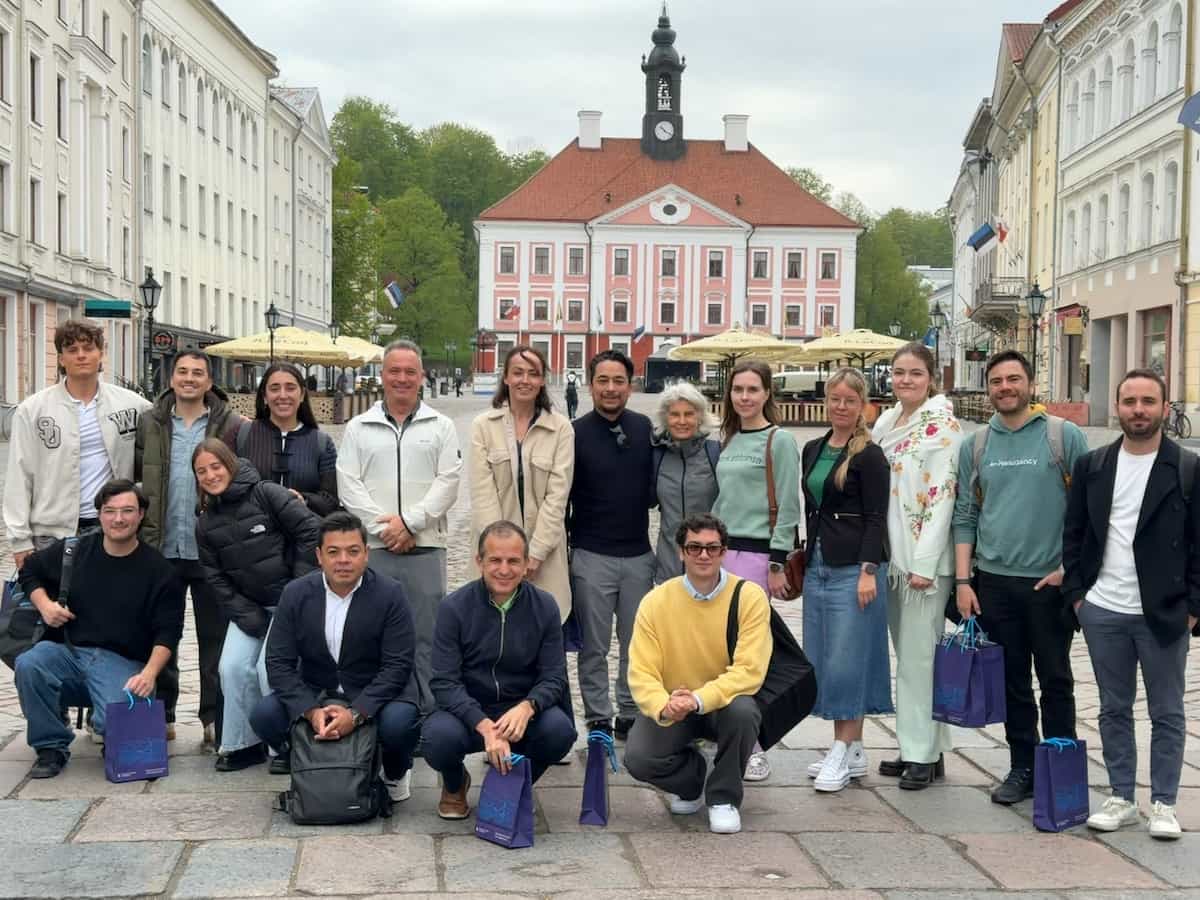
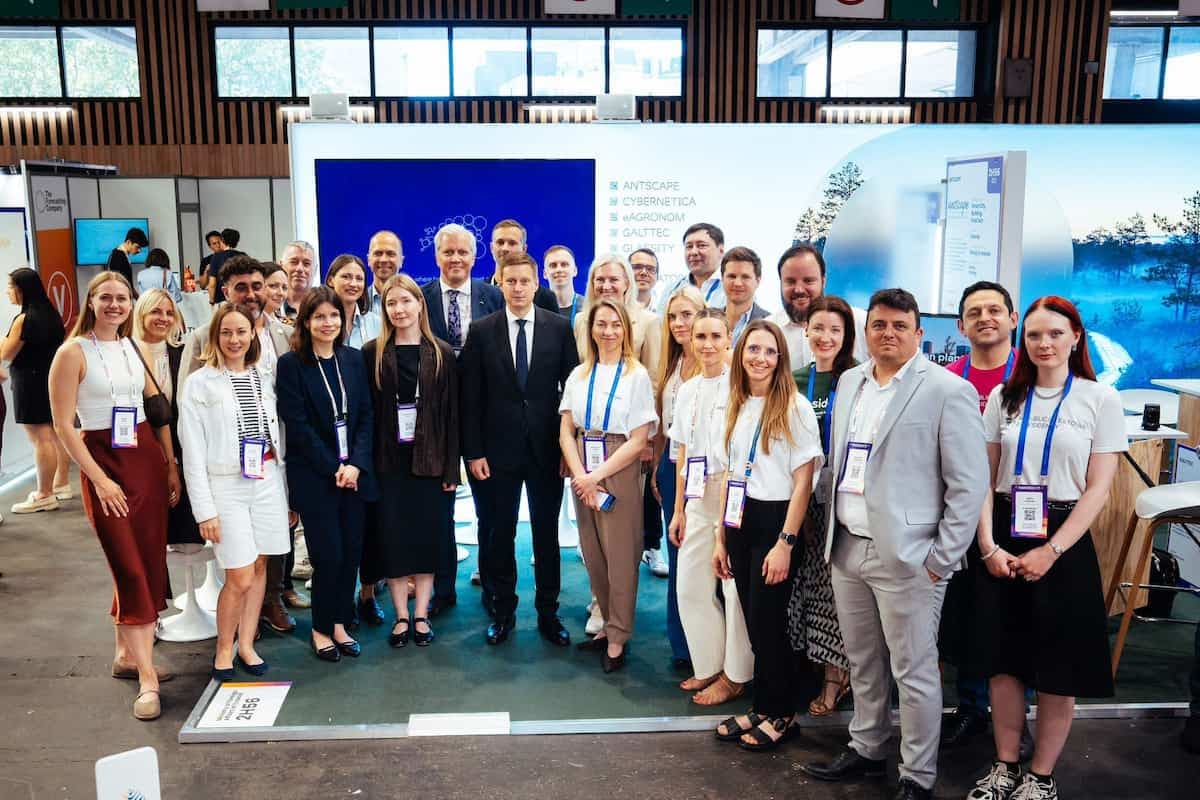
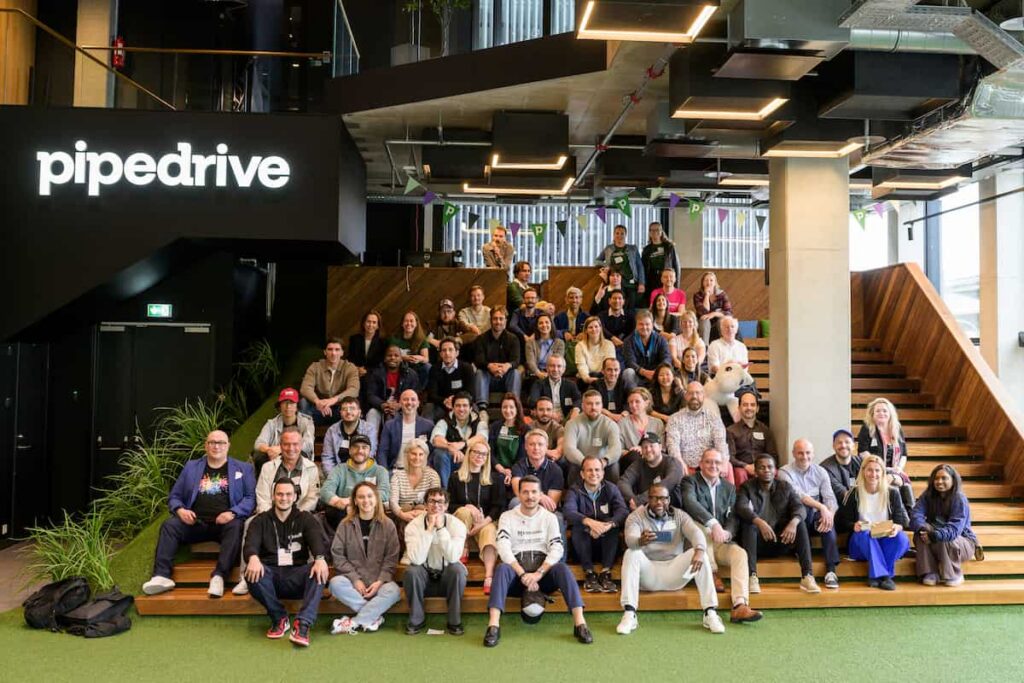
According to Ülane Vilumets, head of global expansion at e-Residency, 66 people were checked in on site from 35 different countries, from Uruguay to South Korea. About a third of the attendees were e-residents, while others were interested in the programme and in Estonia. Sixty entrepreneurs took part in last year's study trip.
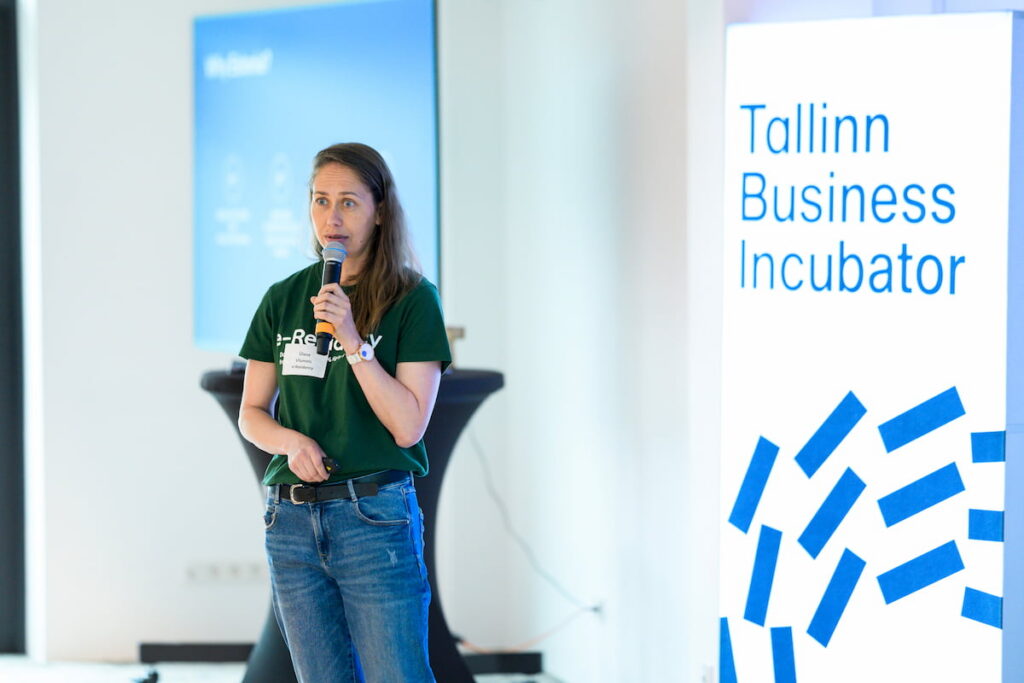
Vilumets said the top sectors represented by attendees were AI & automation, digital platforms & SaaS, health tech & wellbeing, and sustainability/smart infrastructure. A third of the startups taking part in the founders' study trip said they were already generating revenue, while a quarter had secured funding, and another quarter is seeking it.
About half of the trip participants were at the idea or minimal viable product stage, she noted.
Altogether, it was a diverse crew of international dreamers and talent who came to connect over coffee and PowerPoints, and who got to see what Estonia's ecosystem can offer.
"From our perspective, the most important thing is that Estonia is not only a great place to run a business digitally, but that the on-the-ground ecosystem is also supportive and welcoming to foreign founders," Vilumets said.
"It's important that more and more e-residents create jobs here and that successful companies of the future are not based here only on paper," she added.
Interest for the trip was high, with about 180 people applying, Vilumets noted, though only those with profiles matching the focus of the event were admitted.
An agenda packed with the best of Tallinn’s startup scene
After a morning briefing, participants were introduced to the e-Residency programme, now in its 12th year, which allows founders to build a trusted, EU-based company completely online, from wherever they happen to be located.
At the Tallinn Business Incubator, study trip participants also joined breakout sessions hosted by Tehnopol Startup Incubator, Sparkup Tartu Science Park and the Tallinn Business Incubator itself to explain the best potential fit for their startups.
They were also given an overview of Estonia's Startup Visa programme and its value as a founder growth tool. The Startup Visa, created in 2017, supports founders in relocating to Estonia, setting up their teams there, and providing long-term scaling opportunities.
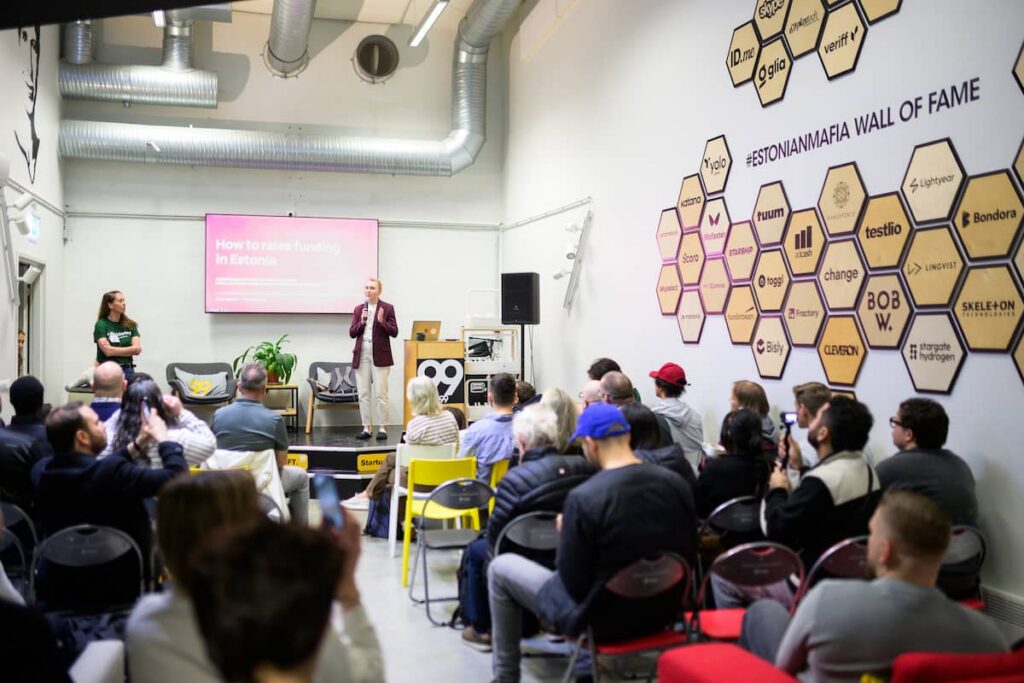
Study trip participants were then transferred by bus to Lift99, located in Tallinn's Telliskivi startup-rich neighbourhood, where they were treated to lunch and presentations by Iryna Krepchuk of Trind Ventures on what investors are on the lookout for, as well as talks by Turkish e-resident Arman Kayhan of Co-one and Nemailla Bonturi, the Brazilian cofounder of the foodtech startup ÄIO.
Both shared their experiences building, scaling, and navigating Estonia's startup landscape.
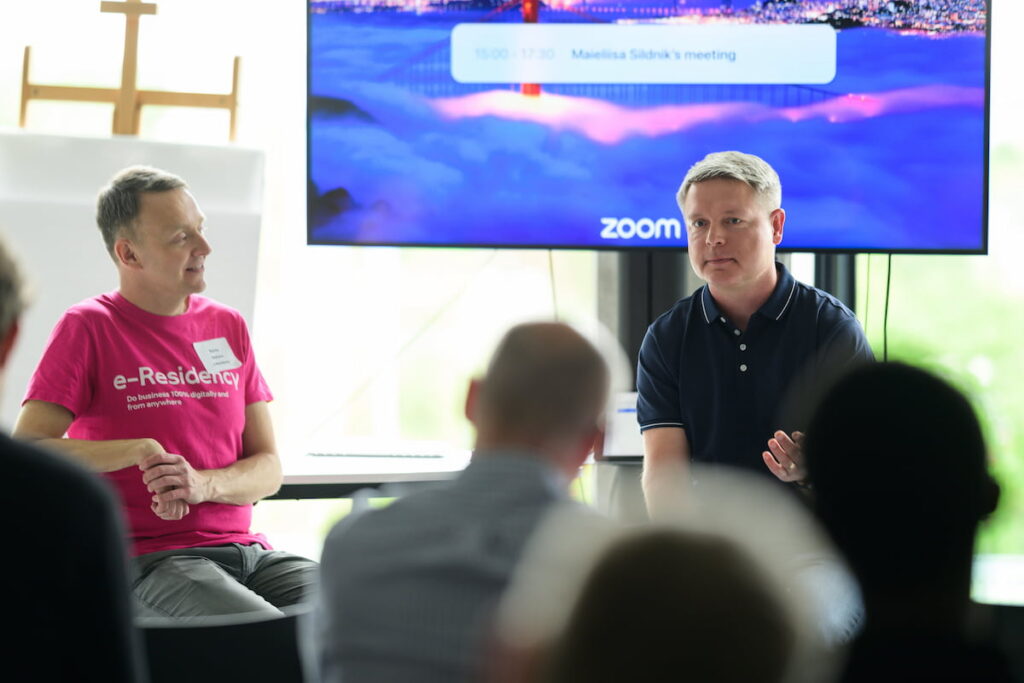
Afterwards, participants were transferred to the headquarters of Pipedrive, where they were given a tour of its theme park-like interior, complete with a DJ spinning hip hop records, table tennis matches, and fun office spaces (one conference room on the music floor included a drum kit, another had a cardboard cutout of Brad Pitt that had been won in an internal office competition). Here on one of Pipedrive's upper floors, attendees had a fireside chat with Martin Henk, who recently gave an interview to e-Residency on how he cofounded and scaled the firm.
The trip was topped off in the evening, when attendees got to socialise at the annual e-Residency Community Event overlooking the harbour. It was the largest-ever event of its kind with over 200 attendees, including e-resident founders from around the world.
'Real, with no fluff'
Overall, attendees seemed satisfied with their day, praising its content and execution. Milena Lussi, who attended on behalf of the Greater Zurich Area in Switzerland, called the study trip "extremely well organised."
"I was particularly impressed by the country's agility, level of digitalisation, and the strong sense of innovation and community," said Lussi, who serves as director, Nordics, for GZA.
She also called the e-Residency programme a "truly innovative solution" that enables entrepreneurs to run a company with minimal bureaucracy. "Overall, I left the day genuinely inspired and with a much deeper understanding of why Estonia has become such an attractive destination for entrepreneurs and startups," Lussi remarked.
Rohit Majhi, chief technology officer and cofounder of Maalexi.ai, which is building the world's first exchange for tokenised agricultural assets, came to Estonia from Abu Dhabi, UAE, to pick up his e-Residency card and to explore Estonia as a gateway to the European market for Maalexi.
Majhi called the study trip "refreshingly unconventional, practical, and real, with no fluff." For Majhi, the highlight of the program was the time spent with Pipedrive's Martin Henk.
"Listening to him speak about how they built a billion-dollar company out of Estonia focused on small- and medium-sized businesses hit close to home because at Maalexi, we are building out of the UAE and now Estonia and solving a problem affecting SMBs across emerging markets," Majhi said.
"It was encouraging to be reminded that you don’t need a Palo Alto zip code to build a technology business with a lasting impact."
'They care, they want you here'
While Majhi jetted in from India to attend the study trip, other entrepreneurs came from even farther away. David Baird, an e-resident and CEO and founder of Australia's Praesidium Defence, said he came to get a better understanding of the Estonian ecosystem in person.
"You are never too old to learn," said Baird, "and that's why we came here, to get that understanding, to meet people, and to find out what support is available."
As an Australian defence firm, Praesidium found itself limited in serving the European market, but as an Estonian company, it can take part in NATO Diana challenges and access European funding, Baird noted. Praesidium is now building an Estonian team and its IP is owned by its Estonian entity.
"I think it took me 30 minutes to set up our Estonian company," Baird said. "There is nowhere in the world where you can do that as quickly and as easily and from one location," he said.
Baird also praised the programme for organising such a well-structured day for fellow entrepreneurs.
"They spoiled us with good food and good organisation," agreed Christian Bubenheim, CEO and founder of the German company Forensic Discovery. "You could see that they really care, that they want you here." Bubenheim, who also said he was impressed by the interview with Pipedrive's Martin Henk, said that other governments could learn from the Estonian approach.
"You get the feeling that other governments want to scare you away with bureaucracy," Bubenheim commented. "Here you feel welcome and you know they want to have you here."
Want to join an upcoming e-Residency event or an online webinar? Check out the event calendar:
More from e-Residency
- Sign up for our newsletter
- Watch fresh video content - subscribe to our Youtube channel
- Meet our team and e-residents - register for our next Live Q&A