
things to do in estonia: a founder’s travel itinerary
Estonia is a small country. But it is also one of the most interesting ones in the world to visit as a founder. Whether you are picking up your e-Residency card, exploring the startup ecosystem, or are simply curious about the country behind the digital ID, this itinerary shows you how to make the most of your trip.
Important: e-Residency is not a visa or a residence permit. It does not grant the right to travel to or stay in Estonia. If you need a visa to enter the country, you must arrange this separately before your trip.
Estonia is not a country you accidentally stumble into. You have a reason for coming here. But once you arrive, you realise there is something special about this country. You look around, and it slowly but surely becomes clear why this small country of 1.3 million people has produced more unicorns per capita than almost anywhere else in the world. Why the digital infrastructure here feels like the rest of the world is catching up to it. Why people who come here for a few days tend to want to come back.
Why visit Estonia as an e-resident?
For e-residents, a visit to Estonia carries an extra dimension. You are exploring the place that issued your digital identity, built the infrastructure your company runs on, and put a functioning e-government online decades before most countries had even started to consider it.
Walking through Tallinn with that knowledge feels different from an ordinary city break. You are not just a tourist but already connected to this place.
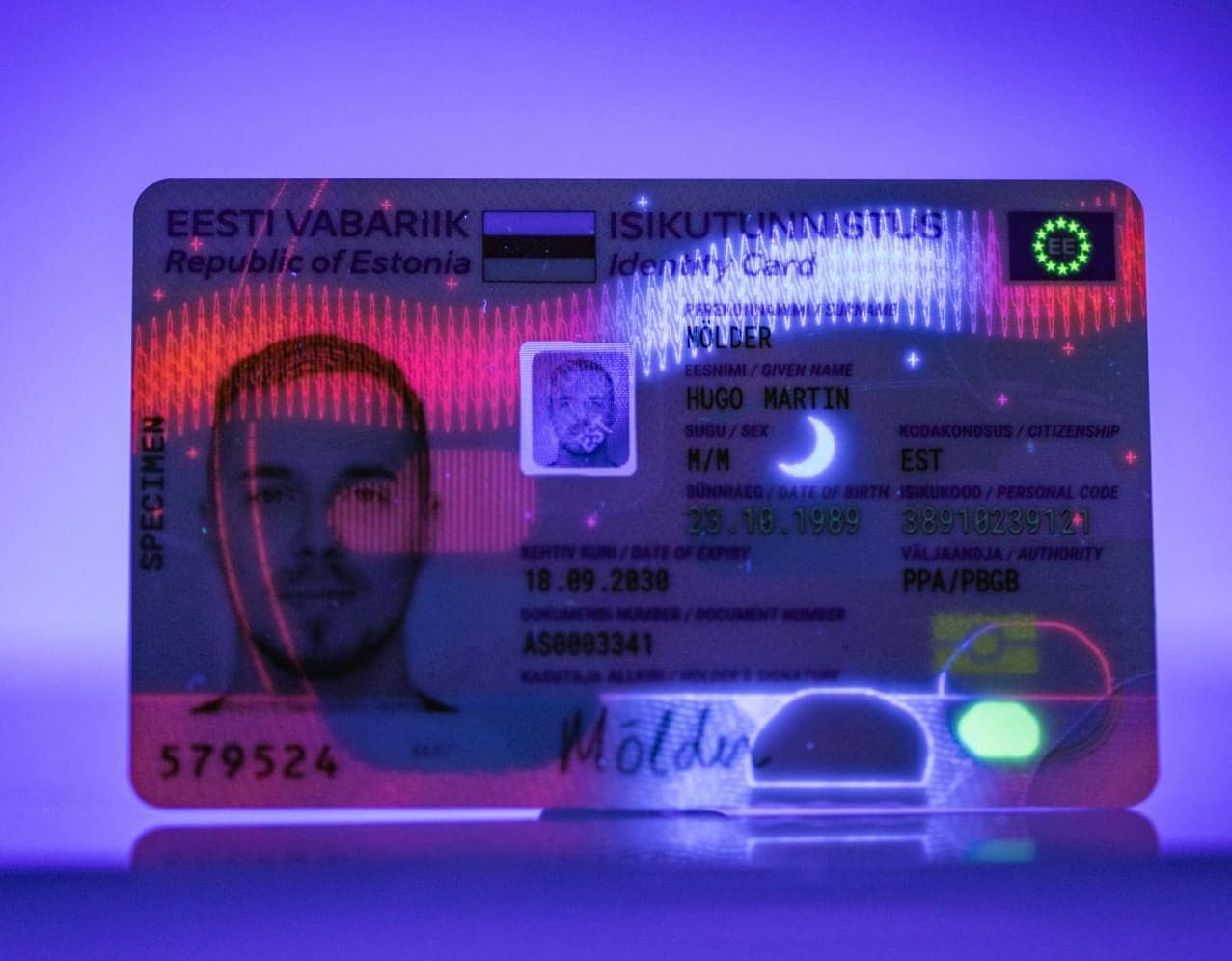
The application process includes choosing a pickup location for your digital ID card. If you are already planning a trip to Estonia or looking for a reason to visit, you can collect your card from one of four Police and Border Guard Board offices across the country instead of from an Estonian embassy abroad. This is a practical option, not a requirement, and it makes the visit feel like a natural part of the process.
Even if you have already collected your card, Estonia is well worth a visit. Its startup ecosystem is vibrant and the country is small enough that you can see a significant part of it in just a few days. What's more, many of the people who built the ecosystem it are still here, working in the same buildings that you will pass on your way through. Read more on our blog to find out more about the rise of its startup ecosystem and what makes Estonia tick.
Who this itinerary is for
Maybe you are still weighing up whether to apply for e-Residency and want to see the country behind the digital ID before you commit. Or you have been approved and are looking for a reason to collect your card in person rather than at an embassy abroad. Or you have been running your Estonian company for years from somewhere else, and you now want to see the country where your business is based.
All three are good reasons to make the trip. And all three will find a small, but tech-forward country that is easy to navigate and happy to welcome visitors.
Where to pick up your e-Residency card
If you choose Estonia as your pickup location, you will collect your digital ID card at a Police and Border Guard Board office. There are four locations to choose from:
- Tallinn: The capital city, which is the obvious starting point for most visits as there is plenty to see and do.
- Tartu: Estonia's second-largest city and home to its oldest university, as well as a growing startup scene centred around sTARTUp Day.
- Pärnu: A coastal resort town on the west coast that is popular in summer but considerably quieter the rest of the year.
- Narva: Located on the eastern border with Russia, it is an underrated destination with the stunning Narva Castle and the famous Kreenholm Textile Factory.
Tallinn and Tartu are the most rewarding for founder-focused visits. But each has its own character, and none of them will disappoint you.
Things to do in Tallinn, Estonia
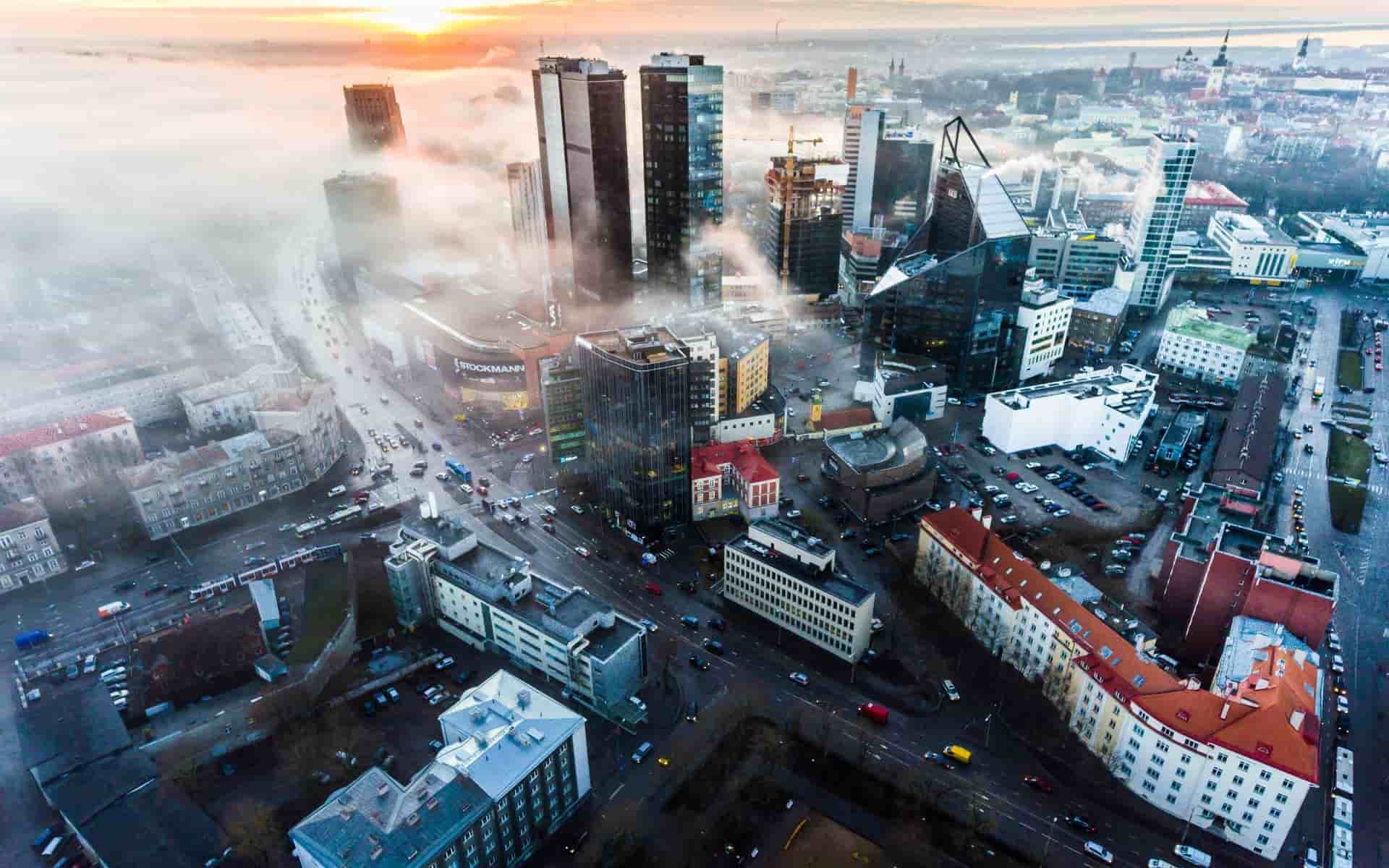
Most e-residents who visit Estonia begin their journey in Tallinn. The city is small enough to explore on foot, but there is plenty to keep you busy for several days. It has a medieval Old Town on one side and one of the most concentrated startup ecosystems in Northern Europe on the other. Each is within a ten-minute walk of the other.
The startup ecosystem: where founders work and meet
Start at LIFT99 coworking hub in Telliskivi Creative City. This is where Tallinn's international startup community works. LIFT99 welcomes founders, e-residents and remote workers from all over the world. The atmosphere is open, English-first, and the kind of place where you can sit down next to someone and be in a useful conversation within ten minutes.
Telliskivi itself is worth exploring beyond the working hours. The creative quarter grew out of a former Soviet industrial complex and is now one of the most interesting neighbourhoods in the city: artist studios, cafes, restaurants, a vinyl record shop, a regular flea market.
Just a short walk away from Telliskivi, in the heart of Tallinn’s Old Town, is Fraqmented, a coworking space with a cosy vibe. Founded by e-residents themselves, it offers an inspiring environment where productivity and community naturally come together.
Both places are part of the e-Residency coworking partner programme, which gives e-residents discounted access to a network of spaces throughout Estonia.
For a more formal insight into Estonia's digital infrastructure, book a session at the e-Estonia Briefing Centre at Ülemiste City. Sessions are free for target audiences and cover everything from digital ID and data governance to cybersecurity and e-government infrastructure. While it is not strictly a tourist attraction, you will leave knowing things about digital government that most people do not know.
Another useful tool for identifying which companies and spaces are clustered where before you arrive is the Startup Map of Tallinn. Tehnopol, TalTech and the Tallinn Business Incubator all host regular events, so check their calendars to see if anything is happening during your visit. For a great roundup of weekly event in Tallinn (fun and business), subscribe to the Gamma newsletter.
Culture, history, and everyday Tallinn
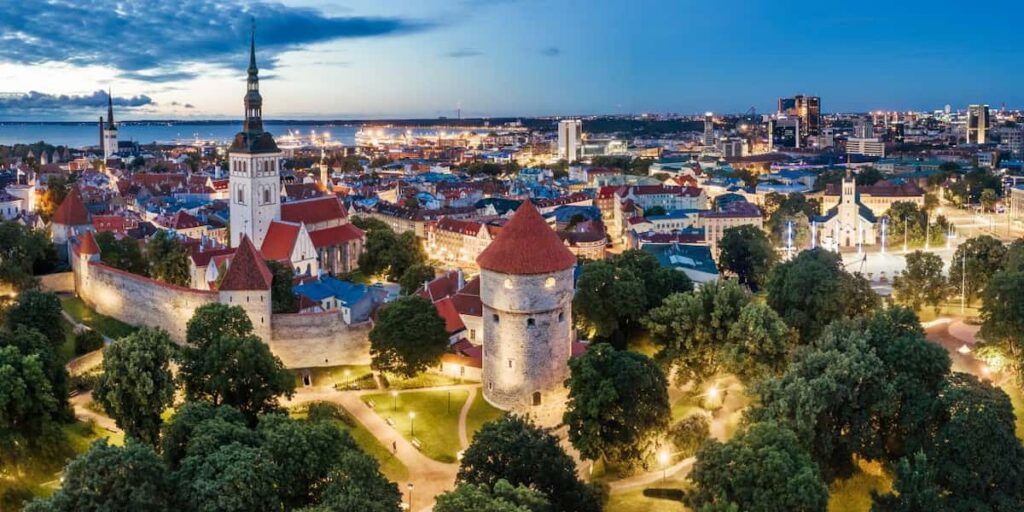
The medieval Old Town is a UNESCO World Heritage Site and well worth spending half a day exploring. Go early before the tour groups arrive and walk up to Toompea (the Upper Old Town). On a clear day, the views will make you stop in your tracks.
There are also free guided tours of Toompea Castle and the Estonian Parliament available that give useful insights into how Estonian governance works. For an insight into modern Estonian history, Vabamu (the Museum of Occupations and Freedom) makes a great cultural stop. It will help you understand the Estonian story.
If you have an extra half day, make your way to Kadriorg. Kadriorg Palace, built by Peter the Great in the early 18th century, now houses the Kadriorg Art Museum and exhibits a collection of foreign art. It is located in one of the city's most beautiful parks. Just a short walk away is KUMU, Estonia's largest art museum. Its permanent collection takes you through Estonian art from the 18th century to the Soviet period and beyond. Photography and design enthusiasts will also enjoy Fotografiska, located in the Telliskivi area. It is well worth a visit for its photography exhibitions and the building itself.
When it comes to food, Estonia has come a long way. Several restaurants in Tallinn have been recognised by the MICHELIN Guide, and the local street food scene in Telliskivi and the Balti Jaam market is worth exploring. With local rye bread, smoked fish and Estonian craft beer, you'll find all the culinary treats you need. For more on what to eat, the e-Residency blog has a good guide to Estonian food.
Beyond Tallinn: what else to see in Estonia
Estonia is small enough that getting out of the capital is easy. Most destinations are reachable by train or bus. Elron trains connect Tallinn to Tartu, Pärnu, and Narva, and the journeys are comfortable and punctual. But renting a car opens up a different Estonia experience. The bogs, the forest roads, the coastal villages, the smaller islands. Things that do not appear on any conference agenda, but will stay with you longer than any keynote.
Other cities to explore
- Tartu is the obvious second stop for founders. It is home to the country's oldest university, the University of Tartu, and has an active startup community. The compact city feels like a student town with an entrepreneurial energy. The National Museum showcases Estonia's complete history and culture, which has led to the country's drive for reinvention.
- Haapsalu is worth the 90-minute drive west from Tallinn. A small seaside town with a medieval bishop's castle and wooden architecture that represents the 19th and early 20th-century European residential design. The pace of life feels entirely removed from the startup world you just left. If you go in the evening in summer, the light over the bay is magical.
- Viljandi is located in the south of Estonia, around two hours from Tallinn by car or bus. The town is best known for the Viljandi Folk Music Festival, one of the most atmospheric music events in the Baltic region, held every July. Outside of festival season, the town is a quiet haven with a very relaxed atmosphere. You can explore the ruins of Viljandi Castle and the lake. It is an ideal place to spend a night away from the city.
- Pärnu, Estonia's summer capital, is a beach town on the west coast with a relaxed atmosphere and excellent restaurants. Near the beach promenade is the Mud Baths building. From 1838, the bathing house offered warm sea baths in summer and hot sauna in winter. This marked the beginning of Pärnu's identity as a resort town. Today, Hedon Spa operates there, providing luxury spa services and relaxing treatments. Here, you can enjoy a walk through the resort's century-old history while enjoying the modern comforts of today.
- Narva, located on the Russian border, is the country's most underrated destination. The Narva Castle overlooks the river, facing its Russian counterpart directly across the water. The iconic Kreenholm Textile Factory, once one of the largest in the world, has been partially repurposed as a cultural hub. It is a city with a unique cultural identity, where Estonian, Russian and something entirely its own exist side by side.
Tartu, Pärnu and Narva all have Estonian Police and Border Guard Board offices where you can pick up your e-Residency card if you want to combine your trip with collection.
Forests, bogs, and island time
If you have more time, it is definitely worth getting off the map entirely. The forests cover almost half the country and bog walks are accessible year-round. If you have a few hours to spare from Tallinn, the Lahemaa National Park and Jägala Waterfall to the east, and the Keila Waterfall to the west, are both easy day trips. The RMK app is an excellent example of the Estonian state's digital-first approach to nature access, and is a useful tool for navigating the forests.
The coastal islands are also easily accessible by ferry. Saaremaa is Estonia's largest island. Clocks here tick differently and more slowly. The medieval Kuressaare Castle is one of the best-preserved castles in the region. The coastal cliffs and the meteorite crater near Kaali are unique in Estonia. Hiiumaa, Estonia's second-largest island, is smaller and quieter. The Kõpu lighthouse is one of the oldest continuously operating lighthouses in the world, and is definitely worth a visit.
Plan your trip around founder events
One of the most efficient ways to plan a visit to Estonia is to time it around an ecosystem event. These two anchor events are worth planning your trip around:
- Latitude59, one of the most international startup conferences in Northern Europe, takes place each May in Tallinn at Kultuurikatel. Founders, investors, and builders from over 70 countries in one building. The pitch competition is serious, but the conversations in the corridor are even better.
- sTARTUp Day is the largest startup conference in the Baltic states, held in August in Tartu. It is more research-oriented than Latitude59 with a different crowd, a different energy, and a good reason to visit Estonia in the one of its most beautiful months.
Beyond these two anchor events, Garage48 hackathons, the Tallinn Digital Summit, and Tehnopol's regular programme all run throughout the year and are one of the best ways to meet the local builder community in a hands-on setting. The e-Residency events calendar is a good resource for planning around specific dates. The Visit Estonia events page covers a wider cultural calendar, so you can plan your visit around music, food or anything else you're interested in.
Sample itinerary ideas
Two days: Tallinn
Morning
Afternoon
Evening
Morning
Afternoon
Evening
Activities
DAY 1
If applicable, pick up your e-Residency card at the Police and Border Guard Board’s office. Then head straight to Telliskivi, where you can get a day pass at LIFT99. Work for a few hours and talk to other entrepreneurs while you’re there.
Visit the e-Estonia Briefing Centre at Ülemiste City. Book in advance. Allow 90 minutes. It will change your perception of digital government.
Dinner in Telliskivi or Kalamaja. Both neighbourhoods are within walking distance of each other and have excellent food options.
DAY 2
Walk through the Old Town. Visit Toompea Castle and the Parliament on a free guided tour.
Vabamu Museum or Fotografiska, depending on your interests.
Check the LIF99 or Tehnopol event calendar for anything happening that evening. Evening events in Tallinn’s startup community are frequent and usually free to attend.
Activities
DAY 1
Morning
Activities
If applicable, pick up your e-Residency card at the Police and Border Guard Board’s office. Then head straight to Telliskivi, where you can get a day pass at LIFT99. Work for a few hours and talk to other entrepreneurs while you’re there.
Afternoon
Activities
Visit the e-Estonia Briefing Centre at Ülemiste City. Book in advance. Allow 90 minutes. It will change your perception of digital government.
Evening
Activities
Dinner in Telliskivi or Kalamaja. Both neighbourhoods are within walking distance of each other and have excellent food options.
Activities
DAY 2
Morning
Activities
Walk through the Old Town. Visit Toompea Castle and the Parliament on a free guided tour.
Afternoon
Activities
Vabamu Museum or Fotografiska, depending on your interests.
Evening
Activities
Check the LIF99 or Tehnopol event calendar for anything happening that evening. Evening events in Tallinn’s startup community are frequent and usually free to attend.
Three to four days: Add Tartu
Add to the two-day Tallinn stay:
- Take the train to Tartu (two hours). The journey is worth it on its own.
- Estonian National Museum in the morning. Explore the university campus and the old town in the afternoon. Discover Tartu’s culinary delights over dinner in the evening.
- Check the sTARTUp Day schedule if you are visiting in August.
- Return to Tallinn the following morning, or travel directly to your departure point.
One week: See the whole country
If you have a full week, you can combine the founder-focused stops in Tallinn and Tartu with an authentic experience of the rest of the country.
- Days 1 to 3: Tallinn, as above.
- Day 4: Day trip to Lahemaa National Park or the Jägala Waterfall.
- Day 5 to 6: Go south to Viljandi, then continue to Tartu the following day. Or spend both days in Tartu.
- Day 7: Pärnu or Haapsalu in summer, or back to Tallinn for any remaining meetings or events.
Practical tips for visiting Estonia
Estonia is easy to navigate even on a first visit. A few things worth knowing:
- The currency is the euro. Card payments are accepted almost everywhere, including market stalls and small cafes. Carrying cash is rarely necessary.
- English is widely spoken, particularly in Tallinn and Tartu. In startup and coworking environments it is the default.
- Public transport in Tallinn is free for residents and low cost for visitors. The Elron train network connects Tallinn to Tartu, Pärnu, Narva and other cities. Buses and trams cover the rest.
- Estonia is safe. It is a member of both NATO and the European Union, and its security situation is stable. The Visit Estonia page on planning your trip covers practical logistics in detail.
- The country is compact. Most of the places mentioned in this guide are within two hours of Tallinn by public transport or car.
- e-Residency does not grant the right to work or reside in Estonia. For information on visa requirements, the e-Residency knowledge base has a clear overview of what you need to arrange before travelling.
For a broader introduction to the country before you go, key facts about Estonia for partners and investors is a useful reference. And if you find yourself wanting to go deeper on language and culture, the e-Residency blog covers both the Estonian language and Estonian innovation firsts in more depth.
Plan your visit
The Visit Estonia website is the most comprehensive resource for planning the practical side of your trip. For inspiration on what makes Estonia worth visiting as a founder, the e-Residency blog's articles on Estonian innovation and the startup ecosystem are a good place to start.
If you are not yet an e-resident and a visit to Estonia has made you curious, the application takes around 30 minutes online and costs €150 (€165 from 2027). You do not even need to have visited, but it helps.
Frequently asked questions
Can I pick up my e-Residency digital ID card in Estonia?
Yes. If you chose Estonia as your pickup location during the application process, you will collect your card at a Police and Border Guard Board office in Tallinn, Tartu, Pärnu, or Narva. You will be notified when your card is ready for collection.
Can I travel to Estonia with e-Residency?
No. e-Residency is a digital identity issued by the Estonian government. It is not a visa, a travel document, or a residence permit, and it does not grant any right to enter or stay in Estonia. If you need a visa to travel to Estonia, you must arrange this separately through the appropriate channels before your trip.
Is Estonia safe to visit?
Yes. Estonia is a member of both NATO and the European Union. Tallinn is a well-maintained, walkable city with a low crime rate. As with any destination, normal travel precautions apply.
Should I visit Estonia before applying for e-Residency?
It is not necessary, but it can be useful. Visiting gives you a clearer sense of what the country is and what its startup and business ecosystem looks like in practice. That said, most e-residents run their companies without ever visiting Estonia at all, and the programme is explicitly designed to make that possible.
What events should e-resident founders plan around?
Latitude59 in May is the most internationally significant event and the easiest to build a trip around. sTARTUp Day in Tartu in August is excellent if you are interested in the Baltic startup ecosystem more broadly. Garage48 hackathons run throughout the year and are a good way to meet the local builder community in a focused setting.
How many days do I need for a first trip to Estonia?
Two days in Tallinn will give you a meaningful introduction to the city and the ecosystem. Three to four days allows you to add a Tartu visit. A full week allows you to experience a variety of aspects of the country, including its natural beauty and smaller towns.
More from e-Residency
- Sign up for our newsletter
- Watch fresh video content - subscribe to our Youtube channel
- Meet our team and e-residents - register for our next Live Q&A