



what is a business pitch? a guide to pitching
Thinking of pitching an idea for a business? This guide explains the ins and outs of pitching, with more resources to help you get started.
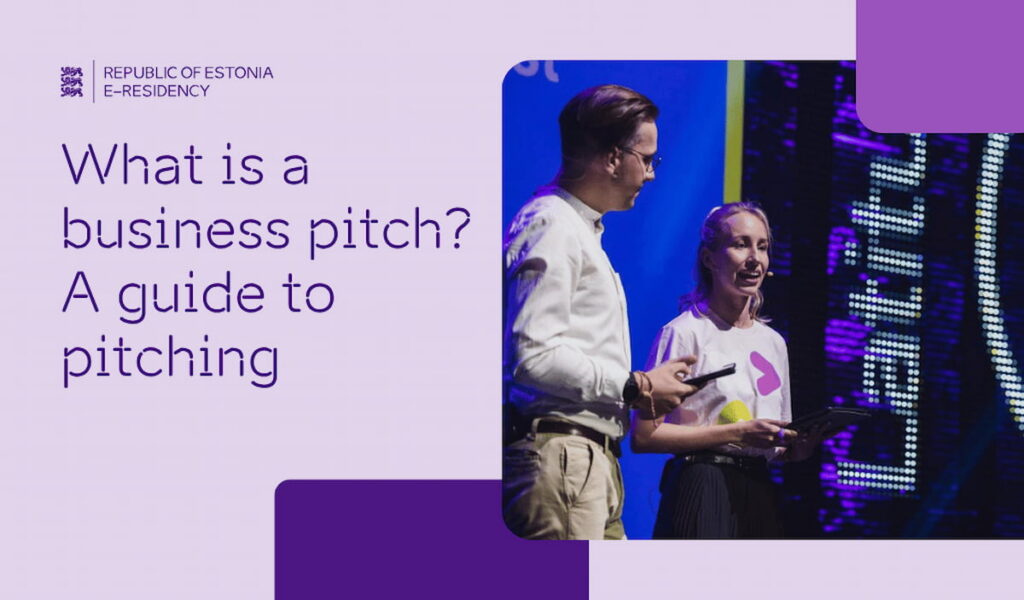
Many of the most successful businesses in the world started with just two ingredients – a great idea, and a convincing story. When Kristo Käärmann and Taavet Hinrikus had their idea for TransferWise (one of Estonia’s unicorns now called Wise) the idea alone was not enough. They needed to convince investors, business partners and customers to get on board. This is where the power of pitching comes in.
A great pitch can be the difference between an idea staying a pipe dream and turning into a profitable business. Learning to pitch well is one of the most useful skills any entrepreneur can build. Let's walk through the basics of pitching, so you can make your idea a reality.
The importance of having a great pitch for a startup idea
In 2011, the founders of Wise used an eight-page deck during their seed fundraising, to raise around $1.3 million. Their traction slide showed over $1 million sent within months of launch, with 20% monthly growth in paying users. And they achieved this without spending anything on marketing. The team was just six people.
Since then, with many more pitches and raises along the way, Wise listed on the London Stock Exchange at an $11 billion valuation. Like other famous founders and their startup ideas, the Wise team succeeded because their pitch was clear, not because it was polished.
Pitching an idea: The basics
Before you pitch your startup idea, get the basics right:
- Know your audience: investors, customers and partners each want different things from a pitch
- Lead with the problem: explain what's broken before you explain your solution
- Be specific: vague claims are forgettable, but numbers and examples stick
- Show real use cases: even if you have a handful of early users or a simple prototype in action, you can bring the idea alive
- Know your ask: be clear about what you want, whether that's funding, a meeting or a sale
- Practice, practice, practice again: the clearest pitches are usually the most rehearsed, not the most improvised
Good pitching requires the same skills that make a strong entrepreneur: clarity, confidence and the ability to read a room.
Pitching formats
There's not just one way to pitch. Think about the right format for your audience, the setting, and how much time you’ll have.
Elevator pitch for startups
As the name suggests, your elevator pitch should be deliverable in the time it takes to share an elevator ride with someone. That means, keeping it to a minute max. You should be able to explain the problem, the solution, and a convincing finale about why your audience should care. The key to an elevator pitch is confidence, fluidity, and having a strong hook, without sounding overly rehearsed.
If you can explain your idea compellingly in just a few words, you’re on the right track. One good example comes from early marketing for Wise as “Skype for currency exchange”.
Pitch deck
You’ll have heard the term before, but what actually is a pitch deck?
It's a short slide presentation, like the one the Wise founders used in 2011. It doesn’t need to be flashy – just 10 to 15 slides walking investors through your business: the problem, your solution, market size, business model, traction, team and the funding ask.
Guy Kawasaki's well-known 10/20/30 rule sums up the goal: 10 slides, 20 minutes, 30-point font. Keep it visual and let the story carry the numbers rather than burying them in text.
Startup pitch video
A pitch video should demonstrate your product in action. This is useful as you can easily send it out to potential investors in bulk, and it could catch the eye of passive visitors to your website or social media accounts.
Dropbox is the classic example of succeeding with a startup pitch video. In 2007, founder Drew Houston posted a demo video to Hacker News as part of his application to Y Combinator. It reached number one on the site for two days, and led to Arash Ferdowsi joining as cofounder.
Tips for pitching well
While it may look simple, there is an art to pitching well. Here are some top tips for pitching in person:
- Know your numbers inside-out in case your audience tests you on them
- Think about possible objections and pushback, and address them before you're asked
- Speak their language – which means avoiding confusing or technical jargon if your audience isn’t going to understand it
- Read the room as you pitch, adjusting your pace and style depending on how the audience is reacting
- Practice your timing so you do not take up more time than you said you would
- Follow up promptly, as a good pitch is often just the start of a longer conversation
Pitching as your business grows
Pitching is not usually a one and done thing. After your successful first raise, if your business is going to continue growing you’ll likely need to keep pitching to new investors, partners and stakeholders.
If you set up your business through Estonian e-Residency, you’ll be supported well beyond the pitch itself. You can fund your business through Estonia's startup ecosystem, explore European funding opportunities, or look into funding and grants for startups in Estonia. Many e-residents also join incubators, accelerators and networks that open doors long after the first cheque is signed.
Explore the growth opportunities available through e-Residency and see how far your pitch can take you.
FAQs
What are some elevator pitch for startups examples?
Airbnb’s early pitch summed up the whole business in four words: “Book rooms with locals.” It named the offer and who it was for in one line.
Dropbox took a similar approach. Founder Drew Houston described it simply: “If you can save a file, you can use Dropbox.” Both work because they’re specific and instantly understandable, exactly what an elevator pitch needs to be.
What should I include in a business pitch?
Most pitches, whatever the format, cover the same ground:
- The problem you're solving
- Your solution and what makes it different
- Market size and opportunity
- Your business model, how you make money
- Traction so far, whether that's users, revenue or partnerships
- Your team and why they're the right people
- Your ask, funding, a meeting or a sale
What should you not include in a pitch?
Avoid overloading slides with text – you can explain the details verbally, the slides are just for visual reference. Do not use unexplained jargon or technical language that your audience might not understand. It’s also important to avoid any unrealistic financial projections and vague claims you can't back up with evidence. If a fact doesn't move your story forward, cut it.
More from e-Residency
- Sign up for our newsletter
- Watch fresh video content - subscribe to our Youtube channel
- Meet our team and e-residents - register for our next Live Q&A