
innovate like lego: five habits for driving change
Podcast guest and former LEGO innovation leader David Gram explains what he learned during LEGO’s near-crisis – and how to drive change without burning allies
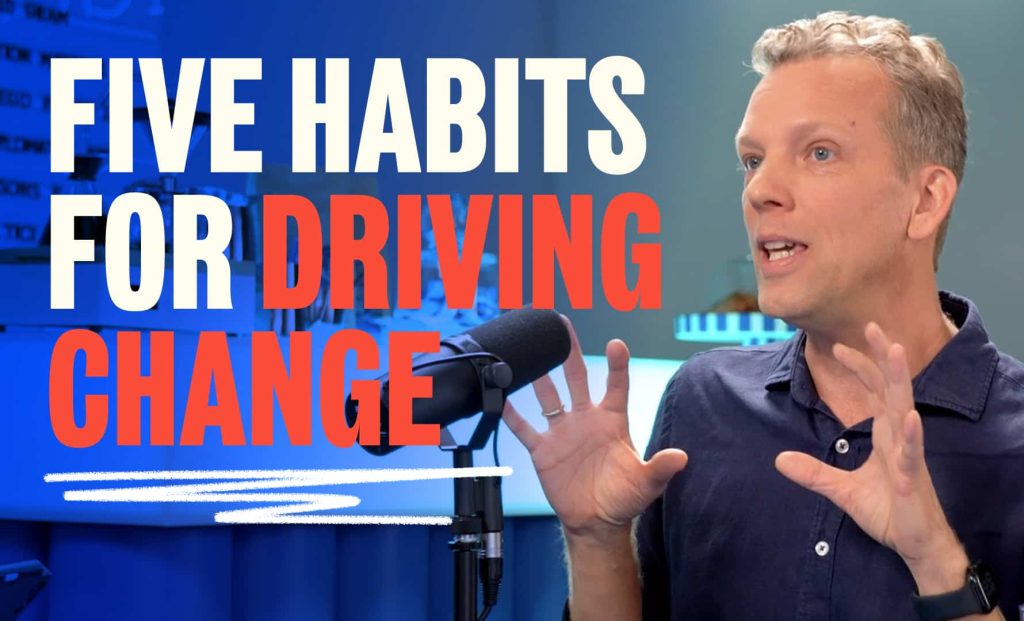
Innovation is rarely the problem. Most teams today have ideas. Many are experimenting. The harder part is adapting fast enough without exhausting people or losing support along the way.
That tension sits at the centre of David Gram’s work. In the early 2000s, Gram was part of LEGO during one of the most turbulent periods in the company’s history. As digitalisation reshaped how children spent their time, a series of expensive bets and failed launches pushed the business close to collapse. The company did not lack creativity or ambition. What it lacked was a way to explore new territory without overwhelming the organisation itself.
Today, as co-founder of Diplomatic Rebels, David works with founders, intrapreneurs (those who innovate from within a company) and leadership teams trying to make change stick. The leaders who succeed are the ones who challenge the status quo and bring others along. He calls them diplomatic rebels and outlines five habits for fostering change without losing allies.
1. Expect resistance
One of the fastest routes to conflict, he says, is treating resistance as a personal failure.
When people push back against a new idea, it is tempting to read that reaction as hostility. In reality, resistance is a predictable response to uncertainty. People wonder how change will affect their role, skills or relevance.
During LEGO’s period of experimentation, resistance rarely appeared as open conflict. It surfaced through processes designed to reduce risk. Teams tasked with protecting the business questioned initiatives simply because they did not fit existing categories. David describes this as the organisation’s immune system. Not something malicious, but something designed to prevent mistakes.
Learning to expect that reaction changed how he approached change. Instead of pushing harder, he prepared in advance: clarifying why a change was needed, how it fit the bigger system, and what it meant for the people affected by it.
The same pattern plays out in smaller teams. Push change without anticipating resistance and even a good idea can become emotionally expensive to carry. Expect it and you can work with it rather than against it.
2. Know which rules you’re breaking
Some of the strongest pushback David encountered had little to do with whether ideas were good or bad. It was about identity. What is LEGO? What isn’t? Those questions carried emotional weight.
Before pushing forward, he learned to ask different questions. Which rules am I breaking? Why were they there in the first place? Who is invested in them? Understanding the answers creates empathy. It makes it easier to see why people react the way they do and harder to dismiss that reaction as irrational.
It also brings focus. Knowing which rules you are willing to challenge clarifies which paths you will not pursue. It means accepting that innovation works best when it comes from within each function, not when teams try to redesign areas they do not own.
3. Build ownership early
Even strong ideas lose momentum when people are introduced to them too late.
Gram has seen this pattern repeat itself across organisations. Teams work quietly, refine an idea in isolation, and then present it as a finished solution, hoping others will immediately see its value. More often than not, the reaction is confusion or rejection.
“If people haven’t been brought along,” he says, “it feels like change is happening to them.”
Involving stakeholders early, even when ideas are still rough, shifts that dynamic. People who have been part of the journey are far more likely to support the outcome. What looks like alignment from the outside is often the result of many small conversations early on.
4. Write love letters
Some resistance calls for a different response. For those cases, David advocates reaching out early, directly and with genuine curiosity. He half-jokingly calls this writing “love letters”.
By approaching departments where pushback was expected and saying, we want you, we need you, let’s do this together, the dynamic often shifted. What had felt like opposition became collaboration once people felt seen and respected.
Reaching out early with respect for the other position and genuinely trying to understand why something triggers concern can change the trajectory of a project.
5. Make others shine
Change depends on people doing things they have not done before, often on top of already full workloads.
David learned early on that recognising that effort was not optional. When people felt invisible or taken for granted, they were unlikely to support the next initiative, no matter how promising it looked.
One small gesture made that lesson tangible. After a successful project, the team built a LEGO version of the character behind it and quietly placed it on the desks of colleagues who had contributed. It cost little, but the signal was clear: your effort mattered.
Innovation that lasts
Taken together, these habits point to a quieter version of innovation than most companies advertise. Less about heroic disruption and more about persuasion, focus and restraint.
For leaders running small and mid-sized teams, that may be the most transferable lesson LEGO learned the hard way. Innovation does not fail because ideas are weak. It fails because the system around them is unprepared.
Diplomatic rebels learn to change the system without losing the people inside it.
Beyond this episode: driving change that actually sticks
David Gram reminds us what it takes to move organisations forward without tearing them apart: expect resistance, understand the rules you are challenging, build ownership early and recognise the people doing the work.
Winning Friends is a podcast powered by e-Residency of Estonia, hosted by Logan Merrick and Dylan Hey. Each episode explores how entrepreneurs around the world build borderless businesses, design communities, and turn setbacks into growth.
Want to dig deeper into how global entrepreneurs are building borderless businesses safely? Don’t miss our article on the e-Residency programme, a way for founders around the world to launch, run, and scale companies with European access, no matter where they live.
Watch the full episode of Winning Friends featuring David Gram to learn more about the habits that drive innovation.
Please to watch this video.
More from e-Residency
- Sign up for our newsletter
- Watch fresh video content - subscribe to our Youtube channel
- Meet our team and e-residents - register for our next Live Q&A