
the man behind ryanair’s viral success has a cautionary tale
He made a career out of taking risks, pushing boundaries and making Ryanair the talk of the internet. Then he went into business for himself and found out what happens when the risks get personal.
Early in his career, Michael Corcoran was often the last person to leave the office. His colleagues thought he was extraordinarily hardworking. In reality, he was spending hours checking emails, reading them forwards and backwards, trying to catch mistakes.
Michael has dyslexia, though he wasn't diagnosed until adulthood. For years, he kept his difficulties to himself, worried that people would question his abilities. Yet he could walk into a room, present an idea brilliantly and spot creative opportunities that others missed. Writing those ideas down was another matter.
Things changed when a colleague noticed the discrepancy. Instead of questioning his competence, the team offered to help with the tasks he found difficult. It was a lesson Michael would return to years later, under circumstances he couldn't possibly have anticipated.
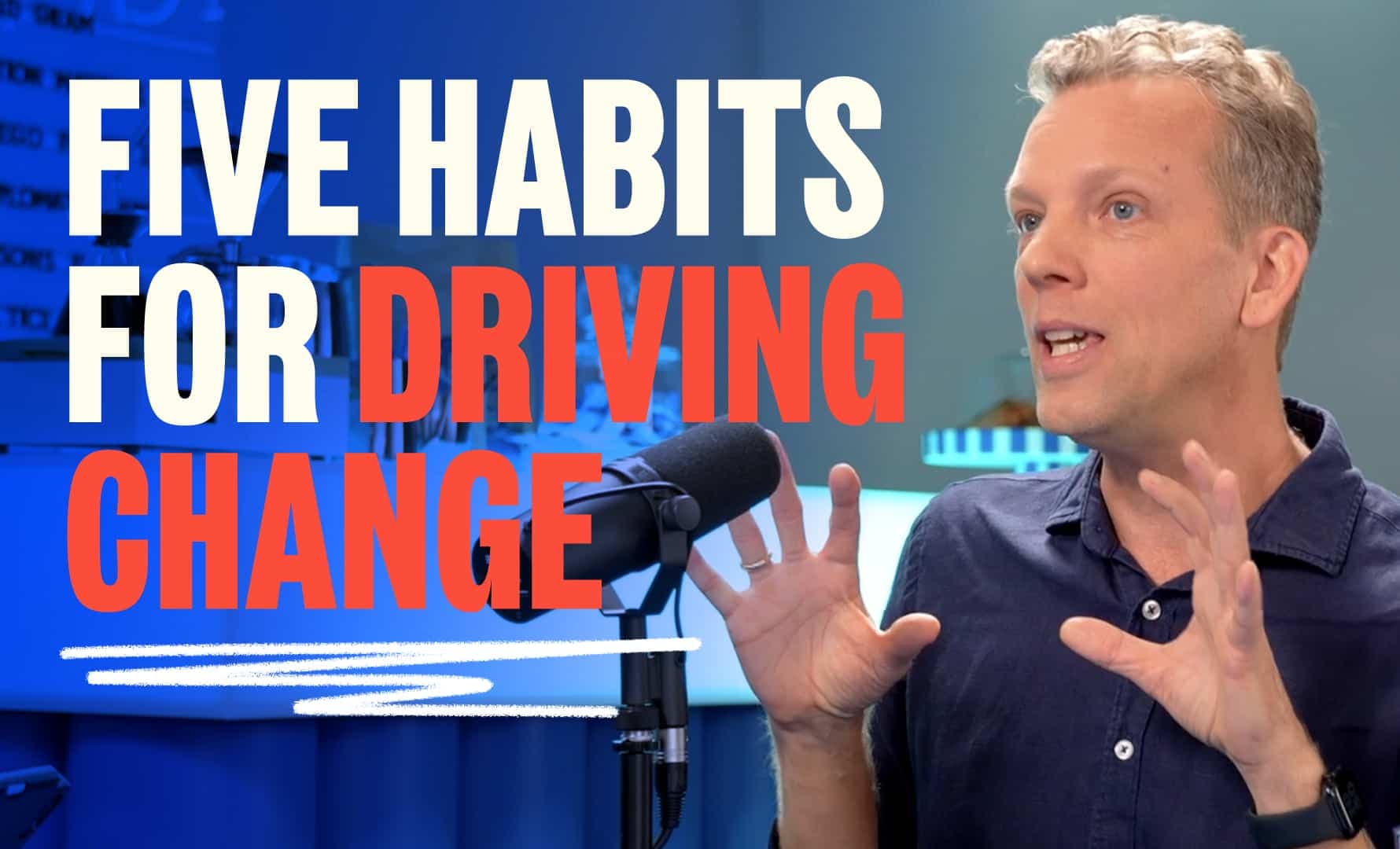
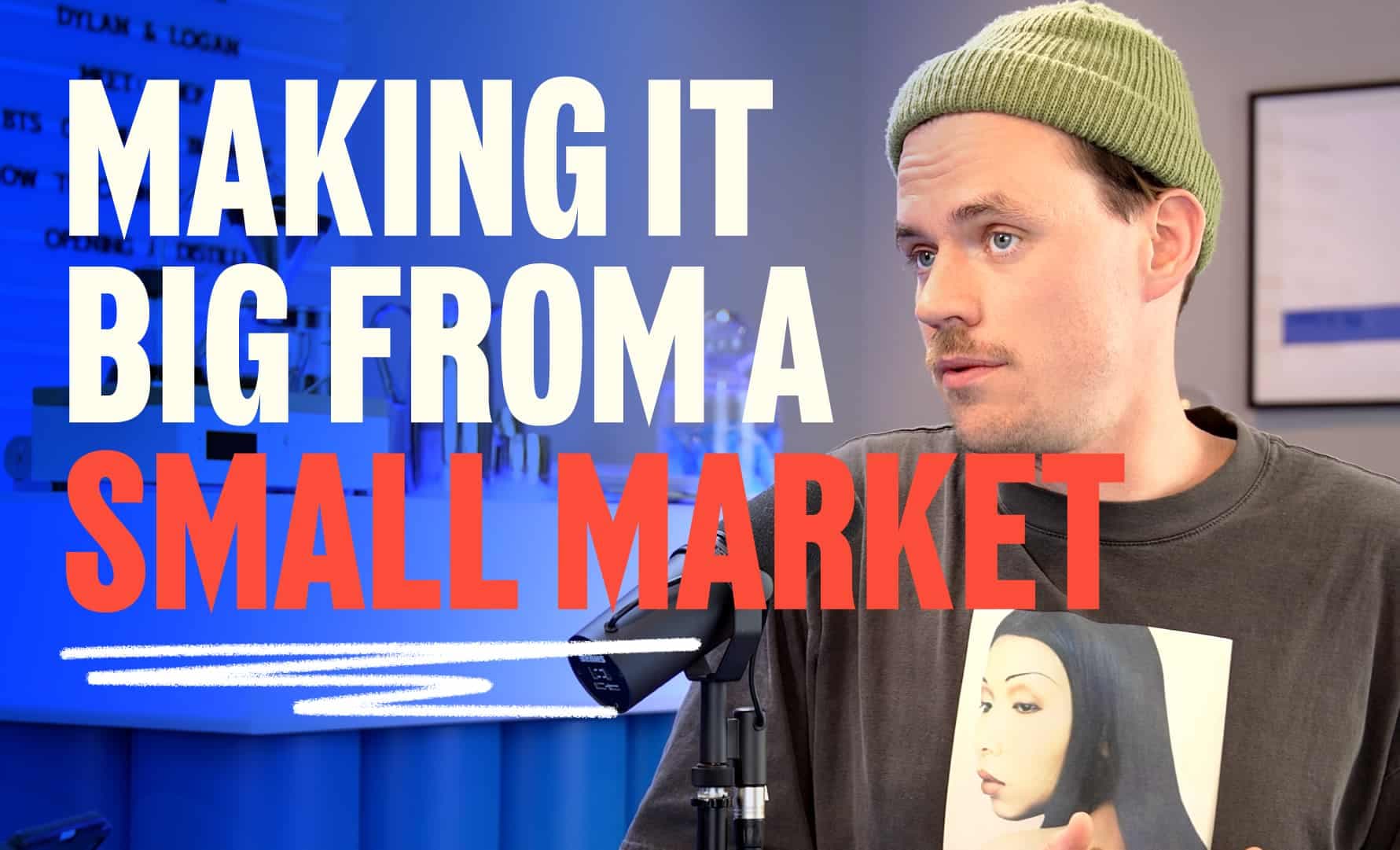
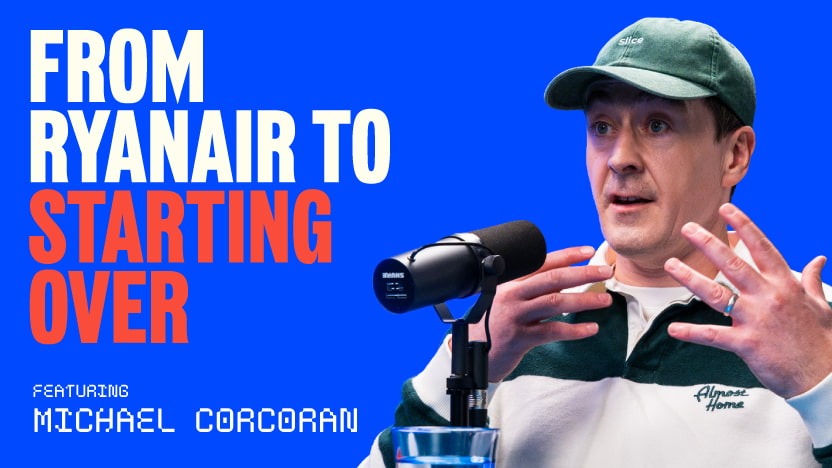
Today, he's best known as the former Head of Social at Ryanair, where he helped turn the airline into one of the internet's most recognisable brand personalities. Now running social media consultancy Slice, he joins Mirjam Hunt and Julian Poole on Winning Friends to discuss the career that took him there, the business he lost along the way and what he's learnt from both.
The dyslexic kid who found his way with words
Michael's first steps in marketing took him through PR, agencies and sports betting before he found his way into aviation. Social media arrived at a convenient moment. Facebook was opening its doors to brands, and younger marketers had an advantage: they were already using the platforms themselves.
For Michael, who had always been quick with a joke and good at spotting patterns, the new medium suited him. He could recognise an opportunity, connect it to something happening in popular culture and turn it into a memorable piece of content.
He spent years trying to convince brands to approach social media differently, with mixed results. Then he spotted a job advertisement from Ryanair, promising the freedom to overhaul the airline's social media presence.
During the 30-minute interview, Michael spent much of his time complaining about the industry and explaining what he'd do differently. The next day, he received a job offer. "Okay, I like their style," he recalls.
How Ryanair learnt to laugh at itself
When Michael arrived, Ryanair's social channels looked much like those of other airlines: beautiful destinations, blue skies and smiling cabin crew.
But Ryanair had never been an ordinary airline when it came to publicity. Ryanair CEO Michael O'Leary had spent years making headlines with provocative statements. Michael wanted to bring that personality to social media, starting with the airline's biggest source of complaints: customers expecting premium service from a budget ticket.
Instead of defending every shortcoming, his team decided to make the complaints part of the joke. Julian brings up a favourite example in the episode: a customer complaining that she'd paid £12 for a flight but hadn't been given a window seat. Ryanair's response was brief: "Read that again, but slowly."
Ryanair promised affordable travel, not luxury. Every reminder of that distinction helped manage expectations and, in Michael's words, made people hate the airline a little less.
Do it and ask for forgiveness
During his first months at Ryanair, Michael received a piece of advice from a senior executive: if he wanted to get things done, he should do it first and ask for forgiveness later.
He then took that advice during the Downing Street parties scandal, when his team published a particularly provocative post mocking the British government's behaviour.
"All I could see was my boss peer up over his desk going, 'What the hell have you done?'"
Please to watch this video.
The reaction online was immediate and divisive. But when favourable coverage of Ryanair's approach appeared in the Financial Times and Sunday Times, the company's senior management took notice. Michael remembers finding printouts of the articles on the team's desks, complete with personal messages from the bosses.
"The Pope has been announced," he jokes, describing the moment they realised their approach had official approval.
It wasn't about the memes
Michael is quick to point out that the secret was never simply being sarcastic. The humour worked because it was rooted in Ryanair's identity and addressed a real business problem. Even the team's rapid responses to current events, sometimes published within five minutes, had to connect back to the airline and its low-cost model.
It's the distinction Michael now tries to teach businesses through Slice: copying someone else's successful content isn't the same as understanding why it worked. He also has little patience for the pressure to invent something new every day.
Michael recommends building what he calls a banger bank: a collection of successful posts and creative formats that can be reused, adapted and improved.
After all, nobody would spend a fortune producing a television commercial, broadcast it once and never show it again. Why do we treat social media differently?
You don't need Ryanair's budget or reputation to apply the thinking. A small business can start by asking what customers misunderstand about its offering, what makes it different and what it could say that nobody else in its industry is saying. The answer might not be a sarcastic TikTok page. In fact, it probably shouldn't be. And once you find something that works, don't be so quick to abandon it for the next trend.
The trouble with going into business with friends
After Ryanair, Michael decided to build something of his own. He established social media consultancy Frankly with people he knew and trusted, concentrating on clients, strategy and creative work while his partners handled other parts of the business.
For a while, things looked promising. Then questions began to emerge about the company's finances. What started with an unusual payment led Michael and another partner to examine the accounts. They uncovered transactions that raised serious concerns, and the situation developed into a legal dispute involving allegations of financial misconduct.
Michael had trusted people he knew personally and now faced the collapse of a business he'd worked hard to build, along with substantial financial losses.
"I knew these people and I felt like they were trustworthy from a personal point of view. And that's where I got it wrong."
Michael is the first to admit that there are parts of running a business he's terrible at. But the experience taught him that even when something falls well outside your strengths, you can't afford to be completely in the dark. Find people who are better at it than you, by all means, but learn enough to understand their work, ask the right questions and know when something isn't right. Delegating responsibility doesn't mean giving up oversight.
Please to watch this video.
A new business taking shape just four weeks later
Michael didn't spend long deciding whether to give entrepreneurship another chance. "It was four weeks," he tells Mirjam and Julian when they ask how quickly he moved on from Frankly.
And so Slice was born. Today, the consultancy is a team of three, with Michael and his two partners concentrating on their respective strengths.
This time, they've built clearer processes around the way each person works. Michael is excellent at thinking on his feet, developing strategies and finding creative solutions, but admits that detailed documents, deadlines and day-to-day operations aren't his strongest suit. He's learning to stop promising he can do everything himself and to let his colleagues take the lead where they're better equipped.
The same goes for the business partnership. He hasn't lost his willingness to trust people, but he's more careful about the practical arrangements that support that trust. Clear agreements, a shared understanding of the finances and the ability to have uncomfortable conversations are all part of running the company.
It's a different approach from the one he took at Frankly, and one that brings him back to a lesson from much earlier in his career: knowing what you're good at is useful, but knowing when you need help is just as important.
Boos don't block dunks
For someone who helped make an airline famous for its confidence online, Michael is surprisingly modest about his own achievements.
"I'm a consultant in a small shop of three," he tells Mirjam and Julian, explaining his reluctance to call himself a founder. He's proud to own a business that provides a living for three people, but sees little reason to dress it up as something grander.
He's equally open about his continuing struggles with self-confidence. Despite years spent developing social media content, putting himself in front of a camera can still make him uncomfortable.
His latest solution is an alter ego inspired by David Bowie and Lady Gaga, complete with a green hat and a rugby shirt. Putting on the uniform, he explains, helps him separate the confident consultant from the self-conscious person underneath.
It's a familiar problem for many business owners. Suddenly, you're not just responsible for doing the work. You're expected to sell it, promote it and sometimes become the face of it, too. Michael, who spent years helping Ryanair find its personality online, is still figuring out how to do that for himself.
When the conversation turns to criticism and the fear of failure, he offers a motto borrowed from basketball: "Boos don't block dunks."
And after everything he's been through, Michael clearly has no intention of letting the boos stop him.
Beyond this episode
Watch parts one and two of Michael Corcoran's conversation with Mirjam Hunt and Julian Poole on Winning Friends. The two-part episode covers his Ryanair years, practical advice for getting social media right and the personal lessons of building a business from scratch.
Part 1: How Ryanair became impossible to ignore
Please to watch this video.
Part 2: How to choose who you build a business with
Please to watch this video.
You can also find Winning Friends on YouTube, Spotify, Apple Podcasts and Amazon Music.
Winning Friends is a podcast powered by e-Residency of Estonia, hosted by Julian Poole and Mirjam Hunt. Each episode explores how founders build without borders and drive change without burning bridges.
More from e-Residency
- Sign up for our newsletter
- Watch fresh video content - subscribe to our Youtube channel
- Meet our team and e-residents - register for our next Live Q&A