
stuck in regulations? accelerate estonia can help
Have you built a product that doesn't quite fit existing regulations? Or have you found out that your technology falls into a legal grey area? That doesn't mean your business idea is impossible.
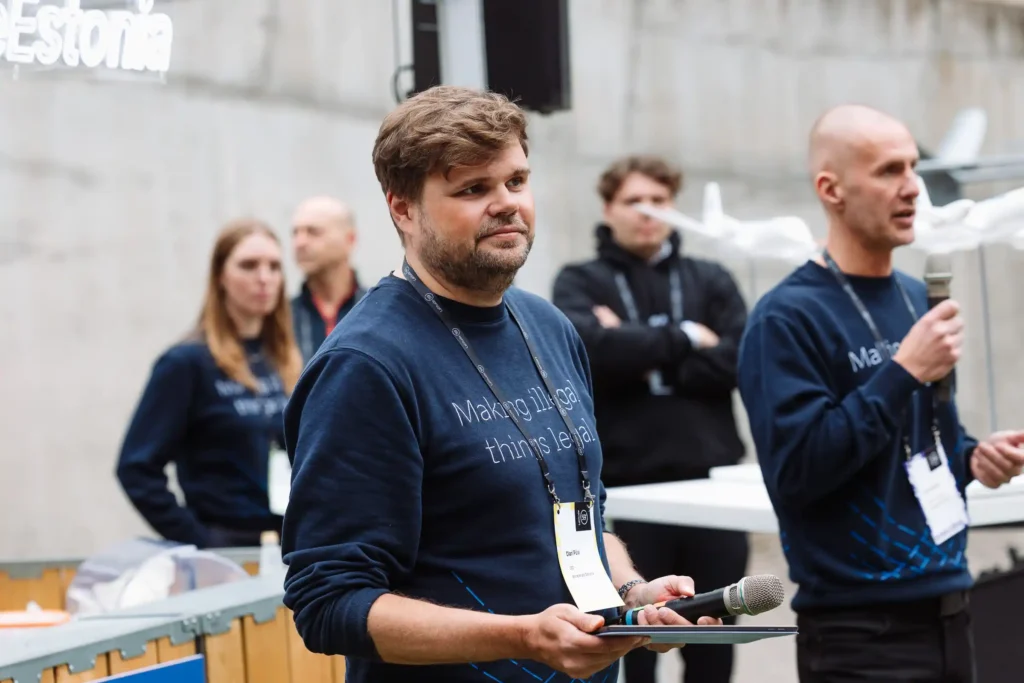
This article is written by Accelerate Estonia, a governmental innovation lab shaping public policy to enable impactful businesses. Accelerate Estonia is a certified member of the e-Residency Marketplace.
The Estonian startup ecosystem is known for its "can-do" attitude. But what happens when your product is so innovative that the laws have not caught up?
We sat down with Olari Püvi, CEO of Accelerate Estonia, to talk about how they help founders facing regulatory issues who can't take their product to market, or who struggle to scale.
What is Accelerate Estonia?
Simply put, Accelerate Estonia is an innovation programme backed by the Estonian Ministry of Economic Affairs and Communications. We help companies of any size and stage. Our clients are companies that have developed innovative products or solutions but cannot enter the market or scale to new markets because current laws aren't ready for them.
Instead of forcing companies to change their innovative products to fit outdated laws, we update the legislation so they can launch.
Why was a programme like Accelerate Estonia created?
Innovation always moves faster than regulation. So Accelerate Estonia was born out of necessity.
Estonia has the second most unicorn companies per capita in the European Union. If you look at our ecosystem, five of the top 20 startups by capital raised in Estonia have needed some form of regulatory change to make their businesses possible.
For example, when Bolt introduced its first scooters, or Starship brought its first delivery robots to the streets, they operated in a legal grey area: the law didn’t specifically allow them, but it also didn’t prohibit them. A delivery robot didn't legally belong on a sidewalk, nor did it belong on a road. Same with electric scooters, when they first appeared: were they bicycles, motor vehicles or pedestrians? Either way, they did not fit into existing traffic laws.
Accelerate Estonia’s goal is to update yesterday’s laws so that new ideas and concepts could emerge.
Can you give us examples of companies you are working with?
An Estonian robotics company called Grab2Go has developed an autonomous pharmacy kiosk that allows people to purchase medications 24/7. Currently, only two Estonian towns have round-the-clock pharmacies, but anyone can have an emergency or need medication at any time. Therefore, Grab2Go’s autonomous pharmacy kiosks are a highly needed solution not just in Estonia but around the world. However, current Estonian laws do not allow this innovative solution.
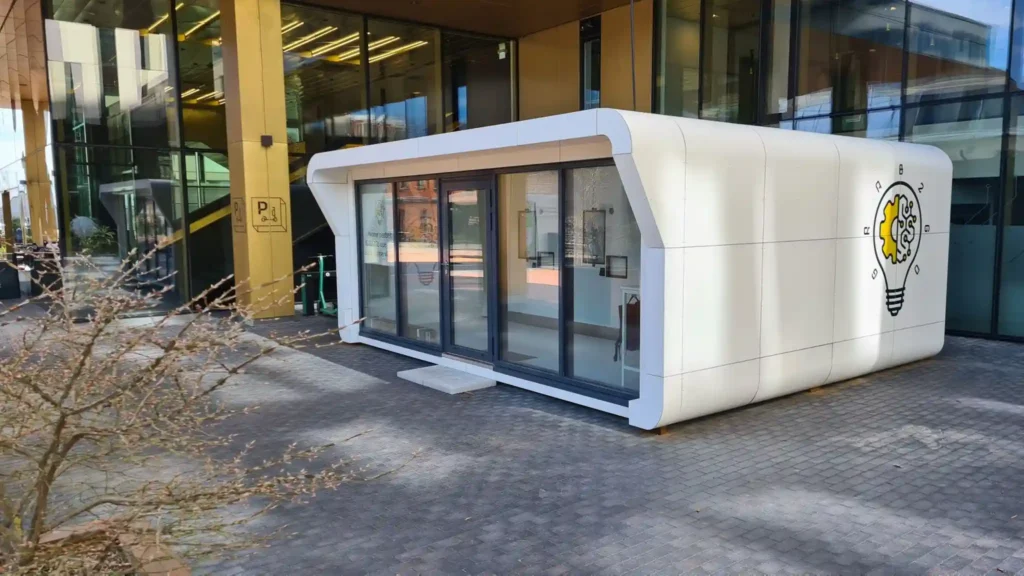
We have been working with the Estonian Ministry of Social Affairs to change the regulation to allow this new type of pharmacy solution. We’re excited to say the draft legislation is finalised, and we can expect major developments soon.
Another great example is a US-based aviation company called Aerolane. They’ve developed a new cargo transport solution where one cargo aeroplane literally tows another like a glider.
Because this is a completely new air cargo concept, it is currently unregulated and therefore technically illegal. At Accelerate Estonia, we're helping Aerolane work through this regulatory gap to test and bring their technology to the European market through Estonia.

How do you choose which companies to work with? Is anyone with a legal problem eligible?
Yes, a specific regulatory barrier is the main criterion. Let’s talk about our other criteria.
To work with Accelerate Estonia, your product or solution has to:
- Have a specific regulatory barrier
- Create value for the Estonian economy
- Be scalable and ready to grow in the future
- Be ready for real-world testing, not an idea stage.
We don't take any equity, and the programme is free of charge because our goal is to help remove barriers and enable innovation.
What do you suggest to e-resident founders who have launched their Estonian entity but are now facing legal bottlenecks?
Don’t pivot straight away when regulations limit your business. A founder's first instinct when hitting a regulatory wall is usually to change their product to fit them or abandon the idea.
We say: keep your innovation, and let us at Accelerate Estonia help change the regulations instead.
How does the process actually work?
To begin, tell us about your idea. We first ensure that there is a real regulatory issue and that fixing it benefits the wider economy. Once we confirm that, we act as the bridge between your company and the relevant ministries or government agencies.
Together with the company and the government, we develop policy recommendations. The company gets direct access to decision-makers. This ensures policy proposals move faster than if a startup itself tried to lobby or tackle the regulatory challenge alone.
However, sometimes, after analysing the issue with the company, we find no regulatory barrier, and instead forward the company to another government service provider who can help.
You are working on an experimentation framework. What does that mean for founders?
Estonia is introducing regulatory sandboxes.
The term "regulatory sandbox" is common globally, but most international sandboxes are just compliance consultancies: they teach you how to follow existing rules. Estonia's framework is different.
We are introducing a comprehensive testing framework that works across different industries. Companies that have developed technologies that aren't yet allowed by law can test things in a safe, controlled environment.

Accelerate Estonia has an unusual slogan for a government organisation: "Making illegal things legal.”
Yes, we wanted a slogan that caught people's eye, but there is a very real objective behind it. Most e-residents know Estonia for our paperless digital society, 0% corporate tax before dividends, and tight-knit startup community. But our willingness to swiftly update our laws to enable completely new business ideas is another secret weapon.
We don’t think outdated laws should limit growth. If an e-resident’s business model is "too innovative" for the rest of the world, they should bring that problem to Estonia.
If you feel like regulations are holding your startup back, apply to Accelerate Estonia and let’s find a solution together!
More from e-Residency
- Sign up for our newsletter
- Watch fresh video content - subscribe to our Youtube channel
- Meet our team and e-residents - register for our next Live Q&A